Individual Cellophane Overwrapping Machine: A Buyer’s Guide for Small Producers
A single well-wrapped box can say a great deal about the product inside it. The film sits tight, the folds are crisp, and the whole pack looks finished and trustworthy. For a small producer, that first impression matters just as much as it does for a large brand, and an individual cellophane overwrapping machine is often the simplest way to achieve it. This guide explains what the machine does, who it suits, and what to check before you buy one.
What an Individual Cellophane Overwrapping Machine Does
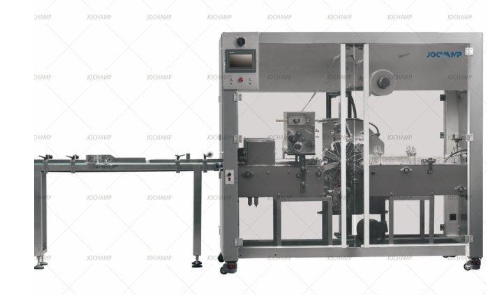
An individual cellophane overwrapping machine wraps one product at a time in a sheet of clear film, folding it neatly around the box and sealing the ends. The result is the familiar tight, glossy wrap you see on tea boxes, perfume cartons, cigarette packs and small gift sets. Unlike a flow wrapper, which seals products in a continuous tube of film, an overwrapper folds the film around each item in the style of a hand-wrapped parcel, only faster and far more consistent.
The word individual matters here. The machine handles single items rather than bundles, which suits businesses that sell one box at a time, from tea companies and soap makers to tobacco and specialist food producers.
Why Individual Wrapping Suits Small Batches
Small producers often work in short runs. A new blend, a seasonal edition or a limited gift set may only need a few hundred units, and hand wrapping that many boxes is slow, tiring and uneven. An individual cellophane overwrapping machine takes the same folding pattern and repeats it exactly, hundreds of times, without the variation that creeps in when a person wraps by hand all afternoon.
Cellophane also protects the product from dust, moisture and handling marks, and shows the customer the pack has not been opened. For food, tea and tobacco, that seal is part of the quality promise, and a small producer who wraps each box properly can look every bit as polished as a much larger company.
Key Features to Compare Before You Buy
Not every individual cellophane overwrapping machine is built the same way, so it pays to compare a few details before choosing. The first is size range. Check the smallest and largest box the machine can handle, and make sure your whole product range fits inside it, including any future sizes you plan to add. A machine that only takes one box size will limit you sooner than you expect.
Speed is next. Small machines wrap a modest number of boxes per minute, which suits a small workshop, but make sure the output matches your busiest days. A clean, reliable cut keeps the wrap tidy, while a machine that tears or jams the film will cost you time and wasted material.
Changeover matters as well. If you wrap several box sizes, you will adjust the machine often, so clear guides, simple settings and tool-free adjustments make the job quick. Finally, check what film the individual cellophane overwrapping machine accepts: most run standard cellophane and common alternatives such as polypropylene, but confirm the film width and thickness range before you order.
Matching the Machine to Your Product
The shape of your product decides a lot. A rigid rectangular box wraps beautifully, because flat faces and sharp edges give the film something firm to fold against. Soft pouches, round tins and irregular shapes are harder to wrap neatly and may need different equipment or a custom former.
Think about the finish you want as well. A plain wrap suits most products, but some producers add a tear strip, which lets the customer open the pack cleanly along a thin ribbon. Others print their branding directly onto the film. Both options are worth asking a supplier about, because they change the look of the finished pack and the film you will need to buy.
Cost, Running Costs and Space
The purchase price is only part of the picture. Film is the main running cost, so ask how much film each wrap uses and whether the machine trims waste to a minimum. Electricity use is usually modest, and maintenance is mostly keeping the folding plates clean and the sealing jaws free of residue. Ask what spare parts are commonly needed and how quickly they can be supplied.
Space is another practical point. A compact machine fits on a bench or a small stand, which suits a workshop where floor space is limited. Measure the space you have, including room for loading boxes and stacking finished packs, and compare it with the machine dimensions before you commit.
5 Questions to Ask Before You Buy
- What is the full size range, and does it cover every product I sell?
- How many boxes can it wrap per minute at a steady, realistic pace?
- Which films does it accept, and what do they cost per wrap?
- How long does a size changeover take, and does it need tools?
- What support, spare parts and training does the supplier provide?
See also: Hiring App Developers India for Web, Mobile, and Emerging Technologies
Frequently Asked Questions
Is an individual overwrapping machine suitable for a very small business?
Yes. Compact models of the individual cellophane overwrapping machine are designed for small workshops and short runs, and they are a practical step up from hand wrapping once daily volumes make hand work too slow or too uneven.
Can one machine wrap different box sizes?
Most individual cellophane overwrapping machines handle a range of sizes, but the range has limits. Check the minimum and maximum dimensions carefully, and test your largest and smallest boxes before you buy.
Does cellophane wrapping work for food products?
Cellophane is widely used for tea, sweets, biscuits and other dry foods because it keeps dust and moisture out while leaving the product visible. Check local food packaging rules for your product before you start.
Final Thoughts
Choosing an individual cellophane overwrapping machine is really about matching the machine to the way you work. Know your box sizes, your daily volumes and the finish you want, then compare machines on those points rather than on headline speed alone. Get the match right, and every box that leaves your workshop will look neat, sealed and ready for the shelf, which is the impression a small producer wants to make.