Evaporative Cooling: The Eco-Friendly Way to Beat the Heat
As global temperatures continue to rise due to climate change, the demand for efficient and sustainable cooling solutions has never been more critical. Traditional air conditioning systems, while effective, often contribute to environmental degradation through high energy consumption and greenhouse gas emissions. It is in this context that evaporative cooling comes to the fore as a greener alternative that is both cost-effective and environmentally friendly.
Understanding Evaporative Cooling
Evaporative cooling is a natural process that effectively lowers indoor temperatures. It works on the simple principle of evaporation—water absorbs heat to turn from liquid to vapour. As this process takes place, the heat is removed from the surrounding air, resulting in a cooler environment. This method has been used for centuries in different forms, but modern technology has refined it to be more effective and applicable for domestic and commercial use.
The Benefits of Evaporative Cooling Systems
Among the primary advantages of an evaporative cooling system is its eco-friendly nature. These systems use water as a cooling medium instead of refrigerants, which are often associated with ozone depletion and global warming potential. Additionally, the energy required to power an evaporative cooler is significantly less than that of conventional air conditioners, thus reducing electricity usage and carbon footprint.
Another benefit is the constant supply of fresh air that these systems provide. They work best with open windows or vents, which ensures that the indoor air is always fresh and not re-circulated. This constant air exchange can help reduce the concentration of indoor pollutants and allergens, contributing to better indoor air quality.
Cost and Maintenance Considerations
In comparison to standard air conditioning, evaporative coolers are generally cheaper to install and maintain. Their mechanism is straightforward, involving fewer complex parts which can lower the likelihood of expensive repairs. The operational costs are equally attractive, with lower energy consumption translating to reduced utility bills.
The maintenance of an evaporative cooler is quite simple, usually requiring basic routine checks such as cleaning or replacing the cooling pads, ensuring the water tank is clean, and confirming the proper operation of the pump and motor. Such straightforward maintenance can often be performed by the users themselves, avoiding the need for frequent professional service.
See also: How Technology is Transforming Modern Urban Living Experience
Climate Suitability and Limitations
It’s important to note that evaporative cooling is most effective in hot, dry climates. The process relies on the ability of the air to absorb moisture, which is why regions with low humidity levels see the best results. In areas with high humidity, the air is already saturated with moisture, reducing the efficiency of evaporative cooling systems. Therefore, the geographical location is a critical factor when considering the installation of an evaporative cooler.
Applications of Evaporative Cooling
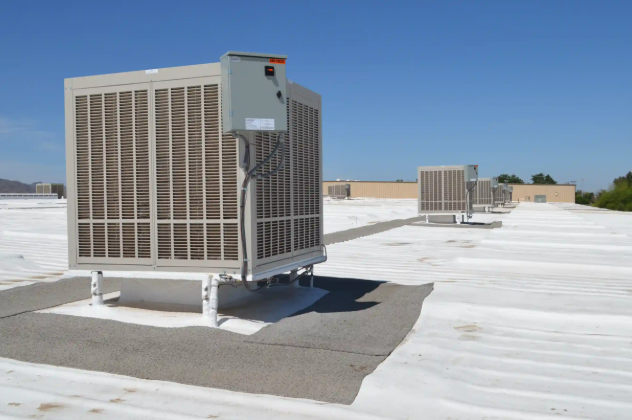
Due to its unique operating principles, evaporative cooling can be applied in various settings. Residential buildings, particularly in arid regions, can benefit greatly from such systems for home cooling. Commercial establishments, including factories, warehouses, and workshops, also use evaporative cooling to maintain comfortable temperatures while keeping costs low.
Furthermore, the agriculture industry uses these systems in greenhouses to regulate temperatures for plant growth, while data centers deploy them to manage the heat generated by servers. The versatility of evaporative coolers is one of their most appealing features, as they can be adapted to many environments and requirements.
Environmental Impact
As we continue to navigate the challenges of sustainable living, the environmental impact of our choices becomes ever more pertinent. Evaporative cooling stands out as a responsible choice for temperature control. By harnessing a natural process and using water—an abundant, renewable resource—evaporative coolers represent a significant step towards reducing energy consumption and mitigating the effects of anthropogenic climate change.
Moreover, the absence of harmful refrigerants means that these systems do not contribute to atmospheric pollution in the same way that traditional cooling methods do. This makes evaporative cooling not just a personal or financial choice, but also an ethical one.
The Evolution of Evaporative Cooling Technology
Advancements in technology continue to enhance the performance of evaporative coolers. Recent developments have seen improvements in the materials used for cooling pads, more efficient fan designs, and smart controls that maximise energy savings while ensuring personal comfort. Manufacturers are also integrating sensors and automation to improve the responsiveness and adaptability of these systems.
Choosing the Right Evaporative Cooler
Selecting the appropriate evaporative cooler involves considering various factors like the area to be cooled, climate, and specific use cases. It is vital to choose a system with the correct size and capacity for the intended space to ensure optimal efficiency. Often, professional advice can be invaluable in making the right choice, taking into account all relevant aspects for your particular situation.
Conclusion
As the planet grapples with environmental challenges, the shift towards sustainable and eco-friendly technologies in all sectors is essential. In the realm of cooling, evaporative cooling systems offer a promising solution that aligns with the global commitment to a greener future. By providing cost savings, enhanced air quality, and lower environmental impact, evaporative cooling systems serve as an intelligent choice for consumers and businesses alike.
In the continuous search for sustainable practices that benefit both the environment and the economy, evaporative cooling stands out as a beacon of innovation. Its simplicity and reliance on natural processes make it not only a viable alternative to traditional air conditioning but also a testament to the potential that exists in harmonising our needs with the natural world.
As the conversation around sustainability evolves, evaporative cooling is set to play a pivotal role. Whether for a household, business, or industrial application, its benefits are clear, marking it as the eco-friendly way to beat the heat.