Top Fantastic Travel Attractions in London
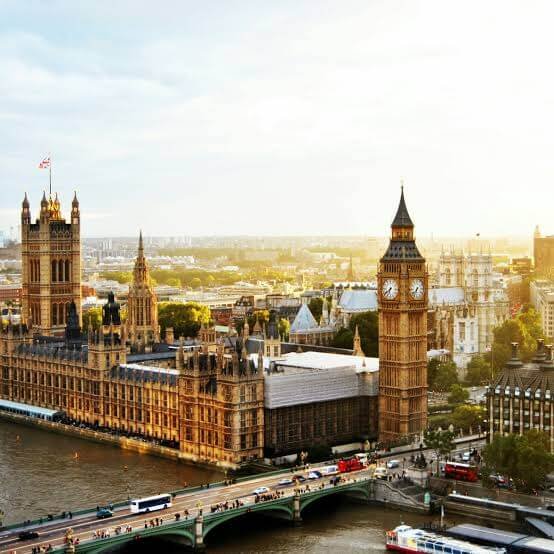
London, a vibrant metropolis steeped in history and culture, beckons travelers from around the globe. With its iconic landmarks such as the Tower of London, Buckingham Palace, and the British Museum, visitors can immerse themselves in a rich tapestry of experiences. The city’s diverse neighborhoods each offer unique charms—explore the artistic vibes of Camden Market, wander through the historic streets of Covent Garden, or enjoy the elegant ambiance of Notting Hill. Dining in London is equally exhilarating, featuring a culinary scene that spans the globe, with everything from classic fish and chips to fine dining establishments. For those planning their trip, it’s important to manage travel logistics seamlessly. Cathay Pacific provides flight services from Taipei To London ensuring that visitors can reach this bustling destination comfortably and efficiently.
When you arrive in London, the city’s excellent public transportation system makes navigating its vast landscape both simple and enjoyable. The iconic red buses and the London Underground are not only functional but also part of the city’s charm. Take a leisurely stroll along the River Thames, where you can marvel at spectacular views of the London Eye and the Houses of Parliament. Beyond the major tourist attractions, hidden gems abound, such as quaint pubs, vibrant street art in Shoreditch, and picturesque parks perfect for a leisurely afternoon. Popular annual events like the Notting Hill Carnival and the Christmas markets add to the allure of visiting London at any time of year. To make the most of this fabulous city, planning is essential. With Cathay Pacific providing flight services from Taipei To London, travelers can start their adventure with ease, paving the way for unforgettable memories in one of the world’s truly great cities.
London Eye
The London Eye, officially known as the Millennium Wheel, is one of the most iconic landmarks in the United Kingdom and a prominent feature of the London skyline. Opened to the public in March 2000, this impressive structure was initially intended as a temporary attraction but quickly became a permanent fixture due to its immense popularity. Standing at a staggering height of 135 meters (443 feet), the London Eye provides breathtaking panoramic views of the city from its 32 glass-enclosed capsules. Each capsule can accommodate up to 25 passengers, allowing visitors to enjoy an unforgettable experience as they ascend to the top.
One of the highlights of the London Eye is its unique design, inspired by the concept of a giant bicycle wheel. Designed by architects David Marks and Julia Barfield, the structure boasts a sleek and modern aesthetic and offers a smooth rotation that takes approximately 30 minutes to complete a full revolution. This slow rotation provides ample time for visitors to soak in views of popular landmarks, including Big Ben, the Houses of Parliament, and Buckingham Palace, all while capturing stunning photographs.
The London Eye is not only a visual marvel but also an engineering feat. Constructed using over 1,700 tons of steel and 32 sealed and temperature-controlled capsules, the attraction incorporates cutting-edge technology to ensure the safety and comfort of its passengers. The capsules are designed to allow for a seamless experience, with no need for visitors to step in and out while the wheel is in motion. Moreover, the Eye offers a unique accessibility feature, making it an attractive option for families, tourists, and individuals with disabilities.
As a major tourist attraction, the London Eye also hosts various events throughout the year, including special light displays and seasonal festivities. It has become synonymous with London itself, drawing millions of visitors annually who wish to experience a unique perspective of the city. Whether during the day or at night when the Eye is beautifully illuminated, the London Eye remains an essential destination for anyone exploring the vibrant capital of the United Kingdom.
Westminster Abbey
Visiting Westminster Abbey is a remarkable experience rich in history, culture, and architecture. To make the most of your trip, it’s crucial to plan ahead. First, consider purchasing your tickets online in advance. This allows you to skip the often-long lines at the entrance and gives you the freedom to choose your preferred time slot. Additionally, check the Abbey’s opening hours and any scheduled events, as times can vary depending on services or ceremonies. By planning your visit at a time when the Abbey is less crowded, you can enjoy a more serene experience.
Once inside, take your time to explore the various sections of this iconic building. From the stunning nave to the intricate chapels, there’s a wealth of detail to absorb. Be sure to look out for the Poets’ Corner, where some of Britain’s most celebrated writers are memorialized, as well as the tombs of numerous monarchs. A guidebook or an audio guide can be invaluable, providing rich context about the history and significance of each area in the Abbey. This background enhances your visit and offers insights that you might miss otherwise.
As you wander through the Abbey, consider dressing comfortably but appropriately. Remember, Westminster Abbey is a place of worship, so respectful attire is encouraged. Look for shoes that provide comfort for walking, as you’ll likely spend several hours exploring the vast spaces. Carry a water bottle, but keep in mind that refreshments are not permitted inside the Abbey, so plan to enjoy a break in one of the nearby cafes after your visit.
Finally, don’t forget to check out the Abbey’s gift shop before you leave. It offers a range of unique souvenirs, from books about British history to handcrafted items that capture the spirit of this magnificent site. Taking home a piece of Westminster Abbey will ensure that the memories of your visit last long after you’ve returned home. With careful planning and an open mind, a trip to Westminster Abbey can be an unforgettable journey through time.
See also: Buying An Integrated Amplifier: What To Check Before You Spend
Big Ben
Big Ben, officially known as the Great Bell of the clock at the north end of the Palace of Westminster in London, is one of the most iconic symbols of the city and the United Kingdom as a whole. Completed in 1859, the clock tower was designed by Augustus Pugin in the Gothic Revival style, and it stands at an impressive height of 316 feet (96 meters). The name “Big Ben” originally referred to the largest of the tower’s five bells, weighing 13.5 long tons (approximately 13.7 metric tonnes), but over time, it has become synonymous with the entire clock tower itself. This towering landmark not only serves as a timekeeper for London but also as a significant historical monument, attracting millions of visitors each year.
The construction of Big Ben was fraught with challenges and delays. The original bell cracked shortly after it was installed, leading to the casting of a new bell, which was the one that eventually became the famous Big Ben. The clock mechanism itself was innovative for its time, featuring an original design by clockmaker Edward John Dent. The tower was officially inaugurated on July 11, 1859, and since then, it has become a beloved symbol of the resilience and enduring spirit of Londoners. Its striking face, illuminated at night, offers a sense of familiarity and comfort to both residents and tourists navigating the bustling streets below.
Over the years, Big Ben has witnessed countless historical events, including royal celebrations, national commemorations, and periods of profound change. Its chimes have marked the passage of time across generations and have been broadcasted internationally during significant moments, such as the New Year’s celebrations. The tower even survived the extensive bombings of World War II, solidifying its place as a symbol of strength during adversity. Big Ben’s reliability and grandeur make it more than just a timepiece; it represents the heart of British culture and heritage.
In 2017, the clock tower entered an extensive restoration project that aimed to preserve its structure and mechanisms for future generations. This project included a significant overhaul of the clock itself, ensuring its accuracy and functionality while also restoring the tower’s historical features. Although the restoration temporarily muted the chimes of Big Ben, the tower remains a beloved landmark. As one of London’s most recognizable and cherished attractions, Big Ben continues to stand tall, reminding all who visit of the city’s rich history and timeless elegance.