Why Every Ottawa Home With a Basement Needs Radon Mitigation, Even If It Looks Dry
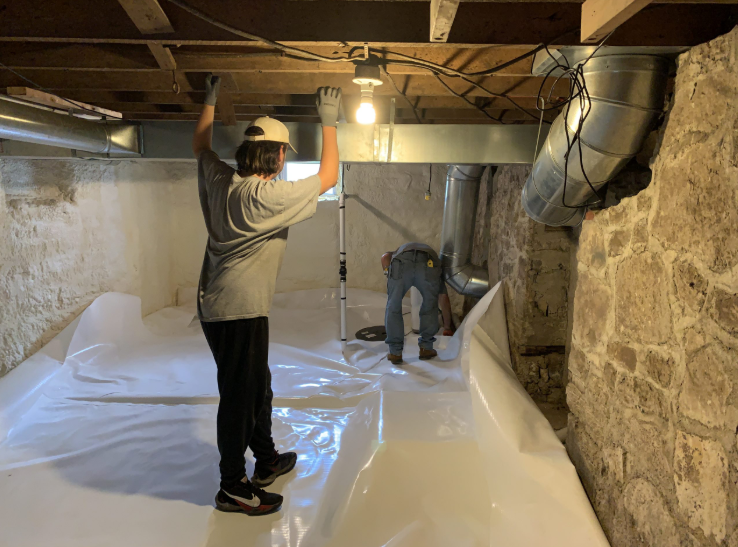
Introduction
When homeowners in Ottawa inspect their basements, they often look for visible signs of danger — water leaks, dampness, mold, cracks in walls, or musty odors. If none of these are present, it’s easy to feel safe and assume the basement is healthy. Unfortunately, that assumption may be dangerously wrong.
Because there is one invisible, odorless, colorless threat lurking beneath many Ottawa homes — Radon gas. Even a dry, seemingly perfect basement may be quietly accumulating radon, exposing you and your family to long‑term health risks.
In a region like Ottawa — with geology and soil conditions that favor radon infiltration, and thousands of homes with basements — Simons radon mitigation Ottawa ON should be considered essential for every basement, irrespective of visible dryness or structural soundness.
In this article we explain why no basement can be assumed “safe” by sight alone, how radon works, why Ottawa is especially vulnerable, and why radon mitigation should not be ignored — even when a basement seems pristine.
What Is Radon — And Why It’s Invisible but Dangerous
Radon is a naturally occurring radioactive gas produced by the decay of uranium and other radioactive elements in soil and rock. Because radon is:
- Colorless
- Odorless
- Invisible
- Tasteless
there is no way for a homeowner to detect it by human senses.
Radon enters homes through tiny cracks in slabs, gaps around pipes, construction joints, floor‑wall joints, sump pits — through any small opening that connects the soil beneath the home to the basement air. Once inside, radon can accumulate, especially in lower levels with poor ventilation.
Over time, inhaling radon and its decay products damages lung tissue and significantly increases the risk of lung cancer. For many nonsmokers, radon exposure may be the leading environmental cause of lung cancer.
Because radon is undetectable without testing, the only way to know whether your basement is safe is through proper radon measurement or mitigation — not visual inspection.
Therefore, even if everything “looks fine” — walls dry, floors intact, no dampness — radon may still be present.
Why Ottawa Homes Are Particularly at Risk
Not all regions are equal when it comes to radon — and Ottawa happens to be one of the areas with elevated risk. Several factors make Ottawa homes especially vulnerable:
1. Soil and Bedrock Composition
The geology around Ottawa contains uranium‑bearing soil and rock, which produce radon naturally over time. That means there is a constant supply of radon beneath many properties.
2. Many Homes Have Basements
Basements are common in Ottawa’s residential neighborhoods — especially in older and mid‑century homes. Because basements rest directly on soil, they are the first point of contact for radon.
3. Cold Winters and Heating Patterns
With long, cold winters, Ottawa homes are typically sealed tightly, with closed windows and doors. Heating systems create lower indoor air pressure relative to the soil outside. That pressure difference essentially draws radon-laden soil gas upward into basements — especially if foundation sealing or ventilation has not been addressed.
4. Aging Foundations and Typical Construction
Many Ottawa homes are decades old. Over time, settling, freeze-thaw cycles, minor foundation shifts, and normal wear can create or expand microscopic cracks — all potential entry points for radon. A basement may look structurally sound but still have unseen entry paths.
5. Airtight Modern Homes Trap Radon Inside
Ironically, energy‑efficient modern homes built to be airtight — using insulation, vapor barriers, sealed windows and doors — may inadvertently trap radon gas inside. Without proper mechanisms to vent soil gas or exchange air, the indoor radon concentration can build up.
Because of these geological, climatic, and structural factors, even dry, well-kept basements in Ottawa are at risk.
See also: Why Hiring Professional Home Removalists in Melbourne Saves Time and Stress
Why “Dry Basement = Safe Basement” Is a Dangerous Myth
It’s common for homeowners to assume that a dry basement, lacking moisture, mold, leaks or seepage, must be safe. Unfortunately, this is a flawed assumption for several reasons:
- Radon doesn’t need moisture to travel — it moves as a gas through soil and enters through tiny cracks; water presence is irrelevant.
- Foundation integrity and dryness don’t guarantee airtightness — even small, invisible cracks around pipes, floor-wall joints, or concrete slabs can allow radon to enter.
- Absence of mold or water damage doesn’t affect radon infiltration — radon doesn’t cause water damage; the usual signs of dampness say nothing about gas flow.
- Airflow and ventilation mask nothing — a dry basement may still be poorly ventilated, allowing radon to accumulate over time without being expelled.
- Radon exposure is cumulative and invisible — even low concentrations over months or years pose risk; one test or visible dryness doesn’t guarantee safety.
In short: a dry basement may still be dangerous if radon infiltration isn’t checked or mitigated.
What Radon Mitigation Does — And Why It Matters Even for “Clean” Basements
Radon mitigation isn’t about fixing leaks or water problems — it’s about controlling soil gas infiltration and preventing radon buildup. Key reasons why mitigation matters even in “clean” basements:
1. It Creates a Barrier Between Soil and Living Space
Mitigation systems (like sub-slab depressurization) draw soil gas out from beneath the slab and vent it safely outside — preventing radon from entering living spaces at all. This works regardless of moisture or visible condition of the basement.
2. It Reduces Radon Levels by Up to 95–99%
Even if initial radon levels are moderate, mitigation significantly reduces exposure — lowering health risk.
3. It Provides Long-Term Protection — Not Just a Snapshot
Radon levels fluctuate with soil conditions, seasons, ventilation, and occupancy habits. Mitigation ensures protection year‑round, not just for the day you test.
4. It Adds a Safety Layer — Even for Future Renovations
Many Ottawa homeowners plan to finish basements later for additional living space. A mitigation system installed early ensures the future basement remains safe — even after flooring, drywall or renovation traps air more tightly.
5. It Increases Peace of Mind and Home Value
A mitigated home assures occupants — especially families with children, elderly, or sensitive health conditions — that indoor air quality is safer. It also becomes a selling feature: prospective buyers often value homes with existing radon mitigation systems.
Given that radon is invisible and accumulates slowly over years, mitigation acts as a preventive safeguard — like installing a smoke detector before a fire. It’s a small investment that pays dividends in health, safety, and peace of mind.
When Basements Seem Perfect: Common Silent Risk Factors
Even in well‑maintained, dry basements, the following silent factors may allow radon infiltration:
- Microscopic cracks in concrete slabs — not visible to the naked eye, but large enough for gas flow.
- Gaps around plumbing or utility penetrations — pipes and conduits often penetrate foundation, and if not sealed properly, allow radon entry.
- Sump pumps or sump pits — soil gas can enter through sump pits if not sealed.
- Block or hollow‑block foundations — porous block walls may allow radon seepage even when dry.
- Floor‑to‑wall joints or expansion joints — nearly invisible, but potential entry points.
- Lack of dedicated soil‑gas venting or drainage system — even tightly sealed basements can accumulate radon without proper depressurization.
- Changes over time: foundation settling, freeze-thaw cycles, temperature variation, and soil shifting can open new entry points, even if none were present originally.
Because these risk factors are silent and invisible, only proper testing and mitigation can reliably protect indoor air.
How to Know If Your Basement Needs Radon Mitigation — Even If Dry
1. Perform Radon Testing
The only reliable way to detect radon is through testing — either short-term kits (few days) or long-term detectors (months).
2. Consider Soil and Foundation Type
If your home sits on soil known for radon potential (common around Ottawa), or has a slab or block foundation — mitigation is wise, regardless of visible dryness.
3. Evaluate Ventilation and Sealing
Even with a dry basement, poor ventilation, sealed doors/windows, and sealed heating systems can trap radon.
4. Know Your Health Risk Tolerance
If your household includes children, elderly, smokers or anyone with respiratory issues — the safe choice is mitigation.
5. Plan Ahead — Especially Before Renovations
If you intend to finish or renovate the basement, it’s smart to mitigate before doing flooring, drywall, or making the area livable.
In short — dryness doesn’t equal safety. Radon mitigation should be seriously considered for every Ottawa basement.
How Radon Mitigation Works — Simple, Effective, Essential
Most standard mitigation systems used in Ottawa work via sub-slab depressurization or soil‑gas venting. Here’s how they function:
- A small hole is drilled in the basement slab (or beneath the foundation).
- A PVC pipe is connected to that hole and runs up to a radon-rated fan (usually placed outside or in attic/garage) to create negative pressure beneath the slab.
- The fan then exhausts soil gas — including radon — safely outside above roofline or away from windows/doors.
- The system continuously pulls radon away before it enters living spaces.
- All cracks, joints, sump pits, and potential entry points are sealed to prevent bypass.
The result: radon is removed before it ever enters the basement’s air — protecting your home regardless of how dry or sealed it appears.
Common Misconceptions — And Why They’re Risky
“My basement is dry — so radon isn’t a problem.”
Reality: Radon doesn’t need moisture. Gas flows through soil and enters via tiny foundation cracks.
“If there’s no mold or leaks, I don’t need mitigation.”
Reality: Radon is invisible and doesn’t cause leaks; mold/water are unrelated. Absence of moisture doesn’t mean absence of gas.
“I’ll test first — if levels are low now, I’m safe.”
Reality: Radon fluctuates with seasons, ventilation, soil — a one-time test may not reflect long-term exposure. Without mitigation, levels may rise later.
“My house was built recently — foundation is tight, no cracks.”
Reality: Even new foundations can have microscopic pathways. Soil gas pressure can pull radon through small voids.
“I only use the basement occasionally — risk is low.”
Reality: Radon seeps into living spaces over time; even minimal basement use can allow radon to spread upward.
Believing these misconceptions can put homeowners at risk — relying on what you see or feel is not enough.
What Homeowners Should Do — Steps to Take Now
If you own a home in Ottawa with a basement — even a dry, well-maintained one — here are the practical steps to ensure safety:
- Order a radon test — either short-term or long-term, ideally during colder months to capture peak radon levels.
- If radon levels exceed safe guideline, contact a professional radon mitigation contractor for evaluation.
- Sealing basement openings — including sump pits, pipe penetrations, floor joints — even before installing a full mitigation system.
- Install a sub-slab depressurization system and vent radon outdoors properly.
- After installation, retest to confirm radon reduction — ensure levels are within safe limits.
- Plan for regular maintenance and periodic retesting, especially if you finish the basement or make structural changes.
- Document mitigation for future resale — a mitigated basement adds value and reassures future buyers.
These steps ensure radon protection becomes part of your long-term home safety plan — not just a temporary fix.
Conclusion
Radon is one of the few home hazards that cannot be seen, smelled, or heard — which makes it uniquely dangerous. In Ottawa, given the soil composition, prevalence of basements, and seasonal climate, even dry and seemingly perfect basements can harbor dangerous radon levels.
That’s why radon mitigation is essential for every Ottawa home with a basement — regardless of appearance or dryness. Visible dryness or structural perfection means little when it comes to soil gas infiltration.