Open-Plan Kitchen Extension Ideas for More Space and Light

A kitchen extension that opens into your dining or living area changes everything about how you live. You’re not just getting more counter space. You’re transforming the whole dynamic of your ground floor. Families actually want to spend time together. People entertaining feel less isolated while cooking. Sunlight floods into spaces that were previously dark. Extension Architecture works with a lot of clients who realise halfway through a project that the open plan layout was the real win, not just the extra square metres. If you’re thinking about this for your home, start by checking what your specific property allows with our page on extension planning basics. And depending on your location, you may also want to review our guidance on building regulations for kitchen extensions to understand structural and safety requirements.
Why kitchens need to breathe
Closed off kitchens work fine if you’re cooking alone and don’t mind the smell of last night’s fish lingering for a week. But most modern families use kitchens differently. People want to cook while watching kids. Hosts want to chat with guests instead of being hidden away. Kids do homework at the table while someone preps dinner.
An open plan extension lets all of this happen. The cook isn’t separated. Light from a big extension window reaches into the main living space. The kitchen becomes part of social life instead of a separate utility room.
But open kitchens also mean your mess is on display. Your cooking smells drift everywhere. Noise from the extractor fan reaches the living room. These aren’t reasons to avoid open plan. They’re just things to plan for properly.
Designing zones without walls
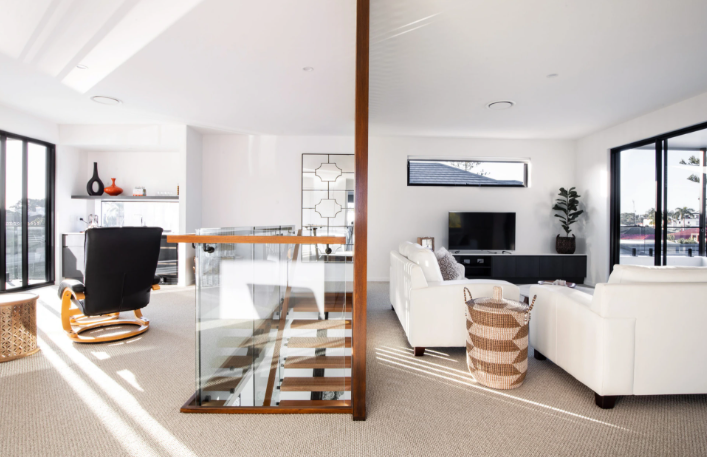
Open plan doesn’t mean everything is the same. You still need to define where the kitchen actually is. Cooking zones need their own space. Eating areas need their own feel. These can be connected and visible, but they shouldn’t feel like one confused room.
Level changes work well. A small step down into a dining area creates separation without a wall. Different flooring helps too. Kitchen tiles and living room wood or carpet signal different functions without blocking sightlines.
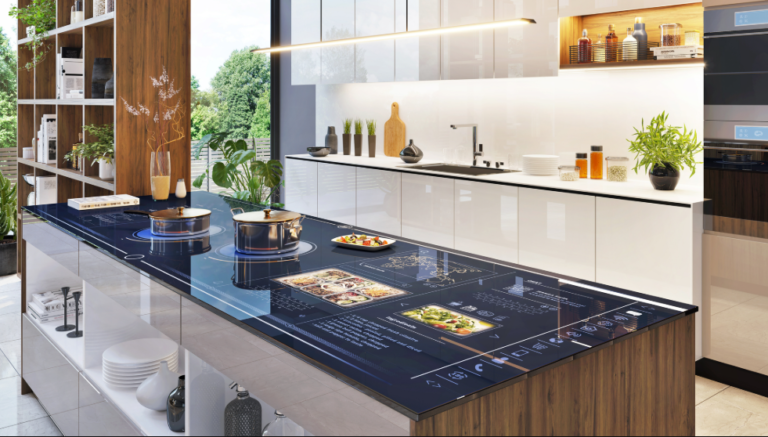
Island layouts are classic for a reason. They create a natural gathering point. People can sit on one side, you can work on the other. An island is basically a low wall that doesn’t block light or views but still defines space.
Open shelving can define zones too, though most kitchens work better with closed storage for the actual pots and pans. Open shelves with a few nice things on display, then everything else tucked away. It looks intentional rather than chaotic.
See also: Refresh Outdated Interiors With Bathroom Remodel Greenville SC Projects
Getting natural light to actually work
More space means nothing if it’s dark. Wrap around extensions into gardens usually get good light. But positioning matters. A window facing north brings light without heat. South facing windows can make the space too warm in summer. East facing is great for morning light. West is warm afternoon light.
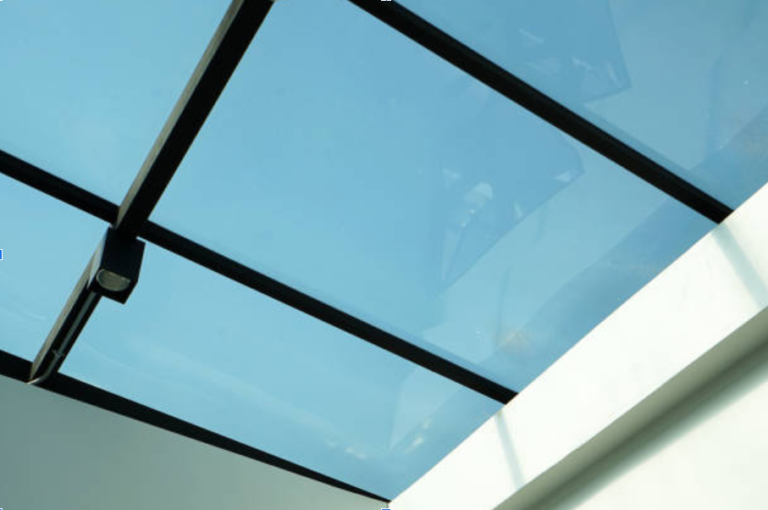
Skylights and rooflights in an extended kitchen are worth real consideration. They bring light from above, which means your neighbours can’t block it. Kitchens with rooflights feel different. Less boxed in. Brighter without being glary.
Corner windows and glass doors to your garden multiply the effect. You’re not just adding light. You’re creating a visual connection to outside. Even on grey London days, this matters more than people realise.
Ventilation that doesn’t sound like a helicopter
Open kitchens need proper ventilation because smells go everywhere. An extractor hood is obvious, but most people get the power or noise wrong.
Undersized extractors don’t actually work. You hear them running all the time and the smell still lingers. Oversized extractors are unnecessarily loud. Getting the size right for your actual space and stove matters. A good installer factors in the layout, not just the hood size.
Ducting should exit outside, not into your loft or a circulation fan. That’s just moving cooking smells around instead of removing them. External ducting is standard and worth the hassle of working it into your design.
Mechanical ventilation with heat recovery handles general air quality and moisture. It’s required by building regs anyway, but in an open kitchen it’s genuinely useful beyond the checkbox compliance part.
Materials that handle a working kitchen
Kitchens are harder on materials than other rooms. Heat, moisture, spills, mess. Your extension needs surfaces that actually work.
Benchtops take a beating. Granite and engineered stone are obvious but pricey. Laminate works fine if you accept it’ll show wear over time. Wood is beautiful but needs maintenance. Whatever you choose, don’t choose it based purely on looks. Choose based on how you actually use your kitchen.
Flooring needs to be durable and easy to clean. Polished concrete trends well right now and works. Tiles work. Wood is lovely but less forgiving with spills. Rugs in kitchens are awkward when they’re open plan anyway.
Backsplashes behind the stove need to handle heat and splashes. Tiles are obvious. Some people do plasterboard and paint, which is cheaper but gets grim faster. Think about actual use, not just magazine pictures.
Connecting inside to outside
An open plan kitchen extension idea that doesn’t connect to your garden is half finished. Bi fold doors, sliding doors, or French doors let you expand your living space into the garden on decent weather days.
This changes how you entertain. People flow between inside and outside. Your extension doesn’t feel like a separate room. It feels like part of a bigger outdoor living area.
Ground level transitions matter. A step or threshold should be minimal and clear. Multiple steps between your new extension floor and garden are annoying and dangerous. Get this level change right and the space feels continuous.