
UV-Curable Wood Coatings: A Practical Overview for Formulators and Manufacturers
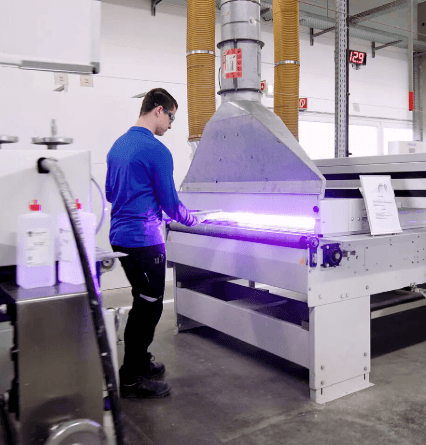
Wood finishing technology has evolved considerably over recent decades, and UV-curable wood coatings represent one of the more significant advancements in this space. Offering rapid curing times, strong film properties, and reduced solvent emissions compared to many traditional wood coating systems, these formulations have become increasingly popular across furniture manufacturing, flooring production, and other wood product applications where efficient, high-quality finishing is essential.
Why UV Curing Has Gained Traction in Wood Finishing
Traditional solvent-based or waterborne wood coatings typically rely on evaporation and, in many cases, chemical crosslinking reactions that unfold over extended periods, sometimes requiring hours or even days to reach full cure. UV-curable systems, by contrast, achieve essentially instantaneous curing when exposed to appropriate ultraviolet light sources, dramatically accelerating production line speeds and reducing the floor space needed for coating storage during the curing process.
Beyond speed, UV-curable wood coatings generally offer reduced volatile organic compound emissions compared to many conventional solvent-based systems, aligning well with increasingly stringent environmental regulations affecting the wood products manufacturing industry across many regions.
Film Property Advantages
UV-cured films often demonstrate excellent hardness, scratch resistance, and chemical resistance compared to conventionally cured alternatives, characteristics that make them particularly well suited to demanding applications such as wood flooring, where durability against foot traffic and cleaning chemicals is a primary performance requirement.
Formulation Components in UV-Curable Wood Coating Systems
A typical UV-curable wood coating formulation includes photoinitiators that absorb UV light energy and trigger the polymerization reaction, along with oligomers and monomers that form the crosslinked network structure of the cured film. Beyond these core reactive components, formulators also incorporate various functional additives to achieve desired application and performance characteristics.
The Role of Rheology Modifiers in UV Systems
Rheology control remains just as important in UV-curable wood coatings as in conventional coating systems, since proper flow and leveling before curing significantly influences the final appearance and performance of the finished film. Fumed silica, including hydrophilic grades such as HL-200, is commonly incorporated into these formulations to provide thixotropic behavior, helping prevent sagging on vertical wood surfaces while maintaining good flow and leveling characteristics during application, before the coating is exposed to UV light for rapid curing.
Achieving Proper Cure Depth and Consistency
One formulation challenge specific to UV-curable systems involves ensuring adequate cure depth, particularly in pigmented or filled formulations where light penetration through the film can be limited. Careful selection of photoinitiator systems and appropriate UV exposure conditions during the curing process are essential to achieving consistent, complete cure throughout the film thickness, avoiding under-cured layers that could compromise long-term coating performance.
A more detailed technical discussion of formulation strategies for UV-curable wood coatings, including the specific contribution of fumed silica additives to rheology and application performance, is available in this resource on UV-curable wood coatings which explores these formulation considerations in additional depth.
Application Equipment and Process Considerations
Manufacturing facilities implementing UV-curable wood coating systems typically require specialized application equipment, including appropriate UV curing lamps or LED curing systems, alongside compatible application methods such as roller coating, curtain coating, or spray application depending on the specific product being finished and the production line configuration in use.
Balancing Performance and Cost Considerations
While UV-curable wood coatings offer numerous performance and efficiency advantages, they also typically involve higher raw material costs and specialized equipment investment compared to conventional coating systems. Manufacturers evaluating a transition to UV-curable technology need to weigh these upfront investment considerations against the longer-term production efficiency and film performance benefits these systems can provide.
Frequently Asked Questions
Are UV-curable wood coatings suitable for all types of wood products? While highly versatile, UV-curable systems are particularly well suited to flat or relatively simple geometries where UV light can reach the coated surface effectively, and may present additional challenges for complex three-dimensional wood products with significant surface shadowing.
How does the addition of fumed silica affect the curing process itself? Properly selected and dosed fumed silica primarily affects pre-cure rheology and application properties rather than significantly interfering with the UV curing reaction itself, though excessive loading levels should be avoided to prevent potential light scattering effects that could impact cure depth.
What maintenance is required for UV-cured wood finishes over time? UV-cured finishes generally offer excellent initial durability, and long-term maintenance requirements are typically comparable to or lower than conventional wood coatings, given their inherent hardness and chemical resistance characteristics.
See also: How Choosing Storage Near Me Can Improve Business Efficiency
Conclusion
UV-curable wood coatings offer a compelling combination of production efficiency, environmental benefits, and film performance that has driven their growing adoption across the wood products manufacturing industry. Careful formulation, including thoughtful selection of rheology modifiers such as fumed silica, plays an important role in ensuring these systems deliver consistent, high-quality results across diverse wood finishing applications.


