Phono Preamp for Turntable: Choosing the Right One for Your Setup
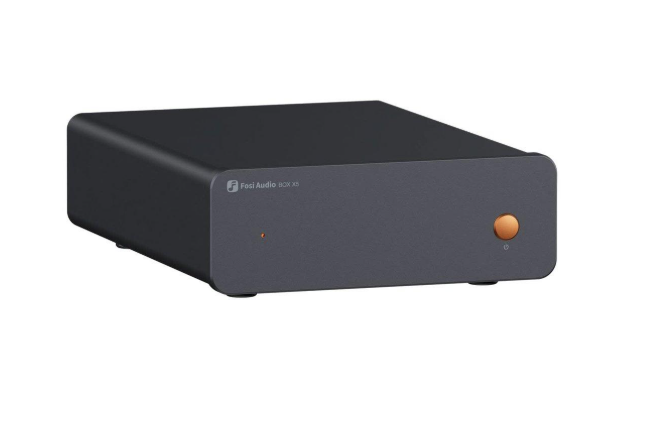
If you own a turntable, you need a phono preamp for turntable use, whether it is built into the deck, built into your amplifier, or sitting in a separate box. This guide explains how to pick a phono preamp for turntable setups of every kind, from a first system to a well-developed hi-fi.
Do You Already Have One?
Before you buy anything, check whether your system already includes a phono preamp for turntable use. Many amplifiers have a dedicated phono input, which contains its own phono stage. If either is present, your turntable already has a phono preamp in the chain.
A built-in stage is a good place to start, and it will play your records perfectly well. But it is usually designed to a budget, and it can be the weakest part of your system. If you want better sound, a separate phono preamp for turntable use is the natural next step, and it is often the most cost-effective upgrade you can make.
What a Phono Preamp for Turntable Use Must Do
A phono preamp for turntable setups has two essential jobs. First, it boosts the cartridge signal, which is only a few thousandths of a volt, up to the line level that your amplifier expects. Second, it applies the RIAA equalisation curve, reversing the tonal adjustments made when the record was cut. That restores the bass and softens the treble, so the music sounds natural.
Every phono preamp performs these two jobs, but the quality of the execution varies widely. A good phono preamp does both accurately and quietly, while a poor one adds noise, distorts the tonal balance, and buries the detail in the music.
Matching the Cartridge
The first thing to check is your cartridge type. Moving magnet cartridges are fitted to most affordable and mid-range turntables, and they work with almost any phono preamp. Moving coil cartridges produce a weaker signal and need a phono preamp with higher gain and adjustable loading. Check your turntable manual to find out which cartridge you have, and make sure the phono preamp you choose supports it.
Many phono preamps support both cartridge types, with a switch for gain and loading. That flexibility is worth having, because it means the phono preamp will stay useful if you change cartridges or upgrade your turntable later.
Connecting It Correctly
Connect the turntable to the input of the phono preamp. Attach the turntable’s ground wire to the ground terminal on the phono preamp, since a loose ground wire is the most common cause of hum. Then connect the phono preamp output to a line-level input on your amplifier, such as AUX, CD or Line.
Do not connect the phono preamp output to the amplifier’s phono input, because that input already has its own phono stage, and using both at once will overload the sound. If your turntable has a built-in phono preamp, switch it off before you use a separate one, for the same reason. One phono stage in the chain, correctly connected, is all you need.
What to Look For
When you compare models, look for a quiet background first. A good phono preamp for turntable use should be silent between tracks, with no hiss or hum even at high volume. Look for a solid metal case, which shields the circuit from interference, and a clean power supply, which keeps mains noise out of the signal.
Useful features include a subsonic filter, which removes low-frequency rumble from warped records, and switchable gain, which lets you match different cartridges. A mono switch is handy for older mono records. Ignore flashy extras such as displays and remote controls, which add cost without improving the sound.
5 Steps to Choosing the Right Phono Preamp
- Check what you already have: look for a built-in stage in your turntable or amplifier.
- Identify your cartridge: moving magnet or moving coil, and note the gain it needs.
- Set a sensible budget: match the phono preamp to the quality of your turntable and speakers.
- Look for quiet operation: a solid case, a clean power supply and good reviews on noise.
- Connect it correctly: one phono stage in the chain, ground wire attached, output to a line input.
How Much Should You Spend?
A sensible guide is to spend roughly the same on the phono preamp as you spent on the cartridge, or a little less. That keeps the whole system balanced, so no single component holds the others back. Affordable models from respected hi-fi makers now offer excellent performance, and they are often the best value in the whole system.
There is little point buying a very expensive phono preamp for an entry-level turntable, because the turntable and speakers will hide any improvement. Equally, a cheap phono preamp will hold back a good turntable and cartridge. Balance matters more than the absolute amount, and a well-matched affordable model will sound better than an expensive one in the wrong system.
See also: Professional Web Architecture 615805454 for Expansion
Frequently Asked Questions
Do I need a phono preamp for turntable use if my amplifier has a phono input?
No, the amplifier’s phono input already contains a phono preamp. You only need a separate one if you want better sound than the built-in stage provides.
Can I use a phono preamp with powered speakers?
Yes. Connect the turntable to the phono preamp, then connect the phono preamp to the line input on the powered speakers. The setup works exactly the same as with a separate amplifier.
How do I know if my phono preamp is working correctly?
Play a record you know well. The volume should match your other sources, the bass should be full, the treble should be smooth, and the background should be quiet between tracks.
Final Thoughts
Choosing a phono preamp for turntable use comes down to matching it with your cartridge, your system and your budget. Check what you already have, identify your cartridge type, and look for a quiet, well-built model that suits the rest of your setup. Connect it correctly, attach the ground wire, and listen. When the phono preamp is right, your records will sound fuller, clearer and more alive, and you will wonder how you ever listened without it.