How People Have Moved Through the Decades

Moving from one place to another has always been part of life, whether for work, family, or the promise of something better. However, the experience of relocating has changed a lot over the decades. What once involved packing everything onto a horse-drawn wagon can now be arranged almost entirely online.
Looking back at how people have moved over the years reveals just how much transportation, technology, and everyday expectations have changed.
The Early 1900s: Moving Was a Major Undertaking
At the beginning of the 20th century, moving home was often a lengthy and physically demanding process. Horse-drawn wagons remained common in many areas, particularly for shorter journeys, while railroads helped people transport their belongings over greater distances. Moving furniture, clothing, and household essentials through either method took considerable effort. Long-distance relocations were perhaps slightly more challenging, of course, mostly due to limited communication, making it difficult to coordinate arrangements or know exactly when belongings would arrive. Fortunately, though, families generally owned fewer possessions than they do today, so despite the effort, it wouldn’t be to the same scale as today.
The 1950s and 1960s: Cars Changed Everything
Following World War II, car ownership expanded rapidly across the United States. Growing suburban communities and improved highways made it easier for families to settle farther away from city centers. Moving trucks became increasingly familiar sights, and professional moving companies offered services that made relocating more manageable.
Cars also gave families greater independence. Rather than relying entirely on trains or buses, people could drive themselves to their new homes, often turning long-distance moves into road trips.
See also: Best Foot Massager in Pakistan for Pain Relief | Highlife
The 1980s and 1990s: More Choices and Better Connections
By the 1980s, moving services had become more established, with companies offering different options depending on budgets and requirements. Families could hire professional movers, rent trucks, or handle much of the process themselves.
As the internet emerged during the 1990s, people gradually gained new ways to research neighborhoods, compare services, and search for properties. Although most arrangements still involved telephone calls and paperwork, the foundations of modern relocation were beginning to take shape.
The 2000s: Moving Goes Digital
The widespread adoption of the internet forever transformed how people organized relocations. Instead of contacting individual companies and waiting for estimates, customers could research providers, compare prices, and make arrangements online.
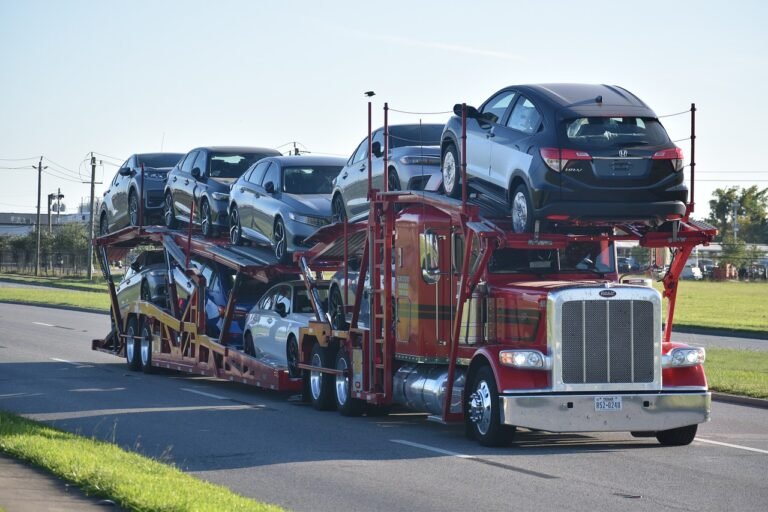
Specialized transportation services also became easier to find. Someone relocating across California, for example, could explore San Diego car transporters to arrange vehicle delivery rather than driving an additional car themselves. This growing convenience made it easier to coordinate complicated moves involving multiple vehicles, household belongings, and long distances.
Today: Convenience and Flexibility Come First
Modern moving looks very different from the experience of previous generations. Digital inventories, online booking systems, and shipment tracking have made organizing a move more straightforward. Customers can compare providers, communicate remotely, and plan transportation around their schedules.
People also have more flexibility in deciding how much assistance they need, from full-service relocations to smaller, self-managed moves. While the practical challenges of packing and settling somewhere new haven’t disappeared, the available options have expanded considerably.
What Hasn’t Changed?
Despite all these developments, moving remains a significant life event. Whether someone relocated by wagon a century ago or books a moving truck online today, the reasons are often remarkably similar. People still move for better opportunities, to be closer to loved ones, or to make a fresh start. The methods may continue to evolve, but the excitement and uncertainty of beginning life somewhere new are much the same.