A Practical Guide to Choosing a Digital Piano for Home Use
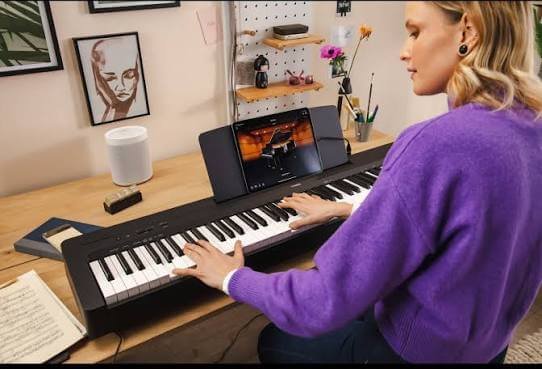
A digital piano can be a useful instrument for beginners, experienced musicians and households that want to enjoy music without the maintenance requirements of an acoustic piano. Modern models offer a variety of sounds, keyboard actions and connectivity features, making it possible to choose an instrument for different needs and budgets.
However, the number of available options can make the selection process confusing. Understanding the main features can help buyers focus on what matters most.
Understanding How Digital Pianos Work
A digital piano produces sound electronically rather than through the strings and soundboard used in an acoustic instrument. Many models use recorded or digitally generated piano sounds to reproduce the experience of playing.
The quality of the sound depends on several factors, including the instrument’s sound engine, speakers and available sound samples.
Some digital pianos are designed to provide a straightforward piano experience, while others include additional instruments, rhythms and recording functions.
Keyboard Action and Touch Sensitivity
The keyboard is one of the most important features to evaluate. Touch sensitivity allows the instrument to respond differently depending on how firmly a key is pressed.
Weighted keys are designed to provide resistance that more closely resembles the feel of an acoustic piano. Some models also use graded hammer action, where the lower notes feel heavier than the higher notes.
Beginners may benefit from learning on a keyboard that encourages proper finger control. More experienced players may have specific preferences based on their playing style.
Choosing the Right Number of Keys
Many full-size digital pianos offer 88 keys, matching the range of a standard acoustic piano.
Compact keyboards may have fewer keys and can be suitable for limited spaces or specific learning needs. However, players interested in classical repertoire or advanced pieces may prefer a full-size keyboard.
Consider the type of music you expect to play and whether your requirements may change as your skills develop.
Where to Explore Digital Piano Options
People who want to buy digital pianos online can compare different models and review their specifications before making a purchase.
Online research is useful for understanding key differences, but buyers should read product descriptions carefully. Check the keyboard action, number of keys, speaker configuration, dimensions and included accessories.
If possible, testing a model in person can help you assess its touch and sound.
Sound Quality and Speaker Performance
Sound quality is influenced by the instrument’s internal sound system and speaker design. A model with built-in speakers may be convenient for home practice, while some players prefer connecting headphones or external audio equipment.
Listen to the instrument at different volumes and try several notes across the keyboard. Pay attention to whether the sound remains clear and balanced.
Headphone compatibility is particularly useful for people who practise in shared living spaces.
Connectivity and Additional Features
Some digital pianos include USB or MIDI connectivity, allowing communication with compatible computers, tablets or music applications.
Other features may include recording functions, metronomes, lesson modes and multiple instrument sounds.
These additions can be helpful, but they should not distract from the basic playing experience. A reliable keyboard action and sound quality may be more important than a long list of features.
Space, Design and Portability
Before purchasing, measure the available space. Digital pianos range from compact portable models to larger furniture-style instruments with dedicated stands and pedals.
Consider the weight if the instrument may need to be moved regularly. Also check whether the stand, music rest, pedal unit and power supply are included.
A suitable setup should allow comfortable seating and an appropriate playing position.
Budgeting for the Complete Setup
The instrument’s advertised price may not include everything needed for regular use. Buyers may also need a stand, bench, headphones, sustain pedal or protective cover.
Compare the total cost rather than focusing only on the piano itself. Warranty terms and after-sales support are also worth reviewing.
Frequently Asked Questions
- Is a digital piano suitable for beginners?
Yes. A digital piano can provide a practical way to learn, especially when it has touch-sensitive keys and an appropriate keyboard action.
- Are weighted keys important?
Weighted keys can help provide a playing feel closer to an acoustic piano. They may be useful for learners who want to develop finger control and technique.
- Should I choose an 88-key model?
An 88-key model offers the full standard piano range and may be preferable for classical study or long-term development. A smaller keyboard may suit limited space or more specific needs.
Conclusion
Choosing a digital piano involves balancing keyboard feel, sound quality, features, space and budget. Buyers should focus on the instrument’s playing experience rather than relying only on specifications or appearance. Comparing models carefully and considering future learning needs can help make the purchase more practical.