Understanding Modern Home Technology and Its Everyday Uses
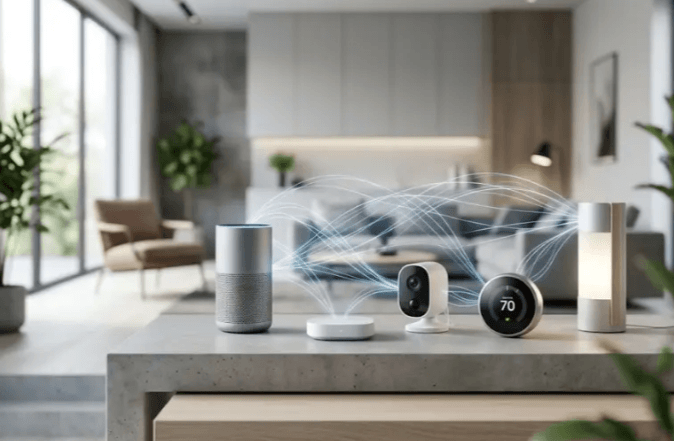
Technology has changed the way people manage household tasks, maintain personal routines and organise their living spaces. From appliances that support cleaning to devices designed for personal care, modern home technology offers a range of practical options.
When choosing household equipment, buyers should look beyond brand recognition and consider performance, usability, maintenance and long-term value. Understanding these factors can help people select products that fit their routines.
How Technology Supports Everyday Home Life
Household technology is designed to make certain tasks more convenient. Appliances can help reduce manual effort, improve consistency and save time when used appropriately.
Different households have different priorities. A family with pets may focus on cleaning equipment, while someone living in a smaller apartment may prefer compact appliances that are easy to store.
Before purchasing, identify the task that needs improvement. This makes it easier to compare products based on their actual purpose rather than simply choosing the model with the most features.
Understanding Product Categories
Modern home technology includes several categories, each serving a different purpose. Cleaning equipment, air treatment devices, kitchen appliances and personal care products are common examples.
Within each category, products may differ in design, operating method and maintenance requirements.
For example, cleaning appliances may use different filtration systems, brush designs or power settings. Personal care devices may focus on temperature control, airflow or specialised attachments.
Reading product specifications helps buyers understand what a device is designed to do and whether it is suitable for their needs.
Performance and Practical Features
Product performance should be evaluated in relation to the intended task. A device may have advanced specifications but still be inconvenient if it is difficult to operate or maintain.
Useful considerations include:
- Ease of operation
- Size and weight
- Energy consumption
- Noise levels
- Cleaning requirements
- Available accessories
- Warranty and repair support
For household products used frequently, ease of maintenance can be particularly important. Filters, removable components and replacement parts should be considered before purchasing.
Design and Usability
A well-designed appliance should fit naturally into the user’s environment. Storage space, handling comfort and access to controls can all affect everyday satisfaction.
For example, a lightweight device may be easier to use around stairs or furniture. A compact appliance may suit a smaller home, while a larger model could be more appropriate for demanding household tasks.
Buyers should also consider whether the product is suitable for the people who will use it. Clear instructions and accessible controls can make an appliance easier to operate.
Choosing a Recognised Technology Brand
Brand reputation can provide useful context, but it should not replace product research. Buyers should examine the specifications of the particular model, compare independent reviews and check the availability of service support.
Those exploring Dyson can review available products and compare their functions according to household requirements.
It is important to distinguish between features available across a brand’s range and those included in a specific model. Product descriptions should be checked carefully before ordering.
Maintenance and Product Longevity
Regular maintenance helps household equipment remain usable. Depending on the product, this may involve cleaning filters, removing dust, checking attachments or replacing worn components.
Follow the manufacturer’s instructions rather than using unsuitable cleaning products or methods. Incorrect maintenance can affect performance or damage an appliance.
Before purchasing, check whether replacement parts are available and whether authorised service support can be accessed when needed.
Considering Cost and Value
The purchase price is only one part of the decision. Buyers should consider energy use, replacement accessories, maintenance and expected product life.
A more expensive model may offer features that are useful for frequent users, while a simpler option may be sufficient for occasional tasks.
A realistic comparison should focus on the total value of the product rather than promotional claims alone.
FAQs
- How should I choose a home technology product?
Start by identifying the task you want the product to perform. Compare usability, performance, maintenance, size, warranty and total cost.
- Does a well-known brand guarantee that every product is suitable?
No. Different models within the same brand can have different capabilities. Review the specifications and suitability of the exact product before purchasing.
- Why is maintenance important for household appliances?
Maintenance helps keep equipment clean and functioning as intended. It may also reduce avoidable wear and help users identify problems early.
Conclusion
Modern home technology can make everyday tasks more manageable when products are selected according to practical needs. Comparing features, usability, maintenance and long-term costs helps buyers make informed choices. A suitable appliance should fit the household’s routine rather than simply offer the largest number of features.