Buying An Integrated Amplifier: What To Check Before You Spend
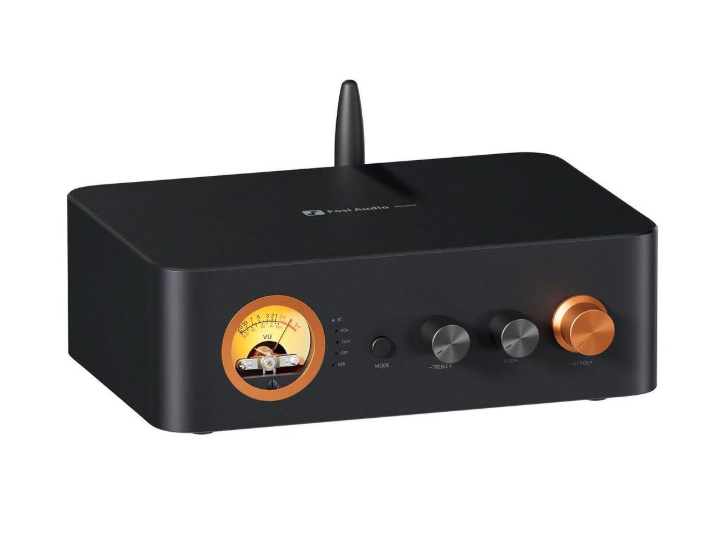
An integrated amplifier is often the most expensive single purchase in a hi-fi system, and it is the component you will live with the longest. A careful check before you buy, covering power, inputs, features and fit, saves regret afterwards. This guide walks through what to look for, in the order that matters.
Power: Match It to Your Speakers and Room
Power is the first figure most buyers check, and the most misunderstood. The number in watts matters, but only in context. What matters is whether the power suits your speakers and your room, with a little headroom in reserve for loud passages.
Start with your speakers’ sensitivity, which tells you how loud they play with a given amount of power, and their impedance, which tells you the load they present. Efficient speakers in a modest room need surprisingly little power. Demanding speakers in a large room need much more. An amplifier with comfortable headroom sounds relaxed at normal levels, which is the quality you are really buying.
Inputs: Count Your Sources First
Before looking at any amplifier, list every source you own: television, streaming box, disc player, turntable, computer, games console. Then check that the amplifier has the right inputs for all of them. Analogue RCA inputs cover most equipment, optical and coaxial digital inputs connect televisions and digital sources, and a phono input is needed for a turntable without its own preamplifier.
A missing input is the most common regret after purchase, and it is entirely avoidable. A few minutes with a list saves the frustration of a new amplifier that cannot connect to a source you use every day.
Features Worth Paying For
Some features are worth seeking out. Bluetooth is genuinely useful for playing music from a phone, and a headphone output is valuable for late-night listening. A built-in DAC lets you connect digital sources directly, and a subwoofer output makes adding deep bass simple later on.
Other features matter less. Tone controls, loudness buttons and display extras are nice to have, but they rarely decide whether you enjoy the amplifier. Focus on the features you will actually use, and do not pay extra for ones you will not.
Size, Weight and Ventilation
An integrated amplifier needs space. Check its dimensions against your shelf or rack, and remember that amplifiers generate heat, so they need open space above and around them for ventilation. A unit squeezed into a closed cabinet will run hot and age faster.
Weight is also a clue to build quality: a heavier amplifier usually has a larger power supply and better heatsinks, both of which support better sound. It is not a guarantee, but it is a useful hint when comparing similar models.
5 Checks to Make Before Buying
- Power: is it a sensible match for your speakers and your room?
- Inputs: does it connect to every source you own?
- Features: does it have Bluetooth, a DAC, a headphone output or a subwoofer output if you need them?
- Size: does it fit your shelf with room for ventilation?
- Listening: have you heard it with speakers like yours, playing music you know?
The Listening Test
Specifications narrow the choice, but listening makes the decision. If you can, hear the amplifier with speakers similar to your own, playing music you know well. Listen for clarity in quiet passages, control in loud ones, and a tone that stays pleasant over a long session. An amplifier that sounds good in a short demonstration usually sounds good at home too.
Pay attention to how the amplifier handles the music you actually listen to, not just demonstration tracks. If you mostly listen to acoustic music, judge it on acoustic music. If you love dense, loud recordings, test those. The amplifier has to suit your taste, not a reviewer’s.
New, Used or Ex Display
A new amplifier comes with a warranty and the confidence of a fresh unit. A used or ex-display amplifier can offer better performance for the same money, but check its condition, ask about its history, and make sure you can listen to it before buying. Amplifiers are durable, and a well-kept used unit can serve for many years.
Setting a Budget Before You Shop
It is easy to overspend on an amplifier, because every step up the range promises a little more. Setting a budget before you shop keeps the decision grounded. A sensible approach is to divide your total system budget between the speakers, the amplifier and the source, with the speakers usually taking the largest share, since they make the biggest difference to what you hear.
Within your amplifier budget, remember to allow for cables and, if needed, a rack or shelf. These small costs add up, and accounting for them in advance avoids the frustration of a finished system that still needs extras. A clear budget also makes it easier to compare options honestly, rather than being swayed by a demonstration of a far more expensive unit.
Frequently Asked Questions
How much should I spend on an integrated amplifier?
Spend in proportion to your speakers and your sources. As a rough guide, the amplifier, speakers and source should each take a sensible share of the budget, with speakers usually taking the largest part.
Do I need to buy an amplifier and speakers from the same brand?
No. Any amplifier can drive any passive speakers, provided the power and impedance are a sensible match. Mixing brands is normal and often the best way to build a system.
What warranty should I expect?
A new integrated amplifier usually comes with at least a year or two of warranty, and some manufacturers offer longer. Keep the receipt and register the product if the manufacturer asks.
See also: Advanced Metal Bending Technology
Final Thoughts
Buying an integrated amplifier rewards a little preparation. Match the power to your speakers, count your sources before you count the inputs, check the features you will actually use, and make sure it fits your space with room to breathe. Then listen, and let your ears make the final call. Get those steps right, and your integrated amplifier will be the quiet, reliable heart of your system for years.