Evaluating Water Resistance Through Controlled Spray Testing
Evaluating Water Resistance Through Controlled Spray Testing
Water exposure is a common challenge for products used outdoors, in industrial facilities, transportation systems, and demanding working environments. Rain, splashing, cleaning procedures, and directed water streams can affect electrical equipment, mechanical assemblies, protective enclosures, and other manufactured components. Even products that appear well sealed may develop weaknesses around joints, connectors, access panels, or cable entries.
For manufacturers, evaluating resistance to water is an important step in product development and quality assurance. Laboratory testing provides a controlled way to investigate how products respond to specified water exposure and whether their protective designs meet the intended requirements.
Water spray testing equipment helps reproduce defined conditions so that manufacturers can identify weaknesses before products reach customers. Selecting appropriate equipment and applying consistent procedures are essential for obtaining meaningful results.
Understanding Water Spray Jetting Tests
Water spray jetting tests expose products to directed streams or jets of water under controlled conditions. Depending on the equipment and test method, relevant parameters may include water pressure, flow rate, nozzle design, spray distance, exposure duration, and the angle at which water reaches the specimen.
These parameters matter because different water exposure conditions place different demands on a product’s protective enclosure. A light spray may not reveal the same weaknesses as a concentrated jet directed toward a seam or connector.
Water jetting tests are particularly relevant when products may encounter forceful cleaning, outdoor maintenance, industrial splashing, or other specified forms of water exposure. The test must reproduce the conditions required by the applicable product specification rather than relying on an informal spray procedure.
It is also important to distinguish water jetting from other environmental tests. Immersion testing, rainfall simulation, dripping water, and high-pressure jet testing involve different exposure conditions. Passing one type of test does not automatically demonstrate resistance to every other type.
Why Controlled Water Testing Matters
Identifying Weak Points in Product Design
Water can enter an enclosure through small gaps, damaged seals, poorly fitted panels, or improperly protected cable openings. These weaknesses may be difficult to detect during visual inspection alone.
A controlled test exposes the product to a defined water challenge and allows engineers to examine vulnerable areas afterward. Findings may support improvements to enclosure geometry, sealing materials, fasteners, or assembly procedures.
Testing during the design stage can also help manufacturers compare alternative protective arrangements before committing to large-scale production.
Supporting Consistent Quality Control
A repeatable testing procedure helps quality teams compare products from different production batches. When exposure conditions remain consistent, differences in test outcomes can provide useful evidence of changes in assembly quality, materials, or sealing performance.
For example, a batch that shows unexpected moisture ingress may require additional inspection of seals or enclosure joints. The test does not automatically identify the root cause, but it helps direct further investigation.
Documented procedures also reduce variation between operators and make it easier to review historical results.
Reducing the Risk of Field Failures
Water ingress can cause corrosion, electrical malfunction, contamination, or deterioration of internal components. In some applications, these failures may lead to repair costs, product returns, or operational interruptions.
Laboratory testing cannot reproduce every real-world condition, but it can reveal specific weaknesses under defined exposure scenarios. This information helps manufacturers make more informed decisions about product design, maintenance guidance, and protective features.
Industries That Benefit from Water Jetting Tests
Electrical and Electronic Equipment
Electrical enclosures, sensors, control units, connectors, and communication devices may need protection against water exposure. Depending on where they are installed, these products can encounter rain, splashing, washdown procedures, or directed water jets.
Testing can help determine whether seals and enclosure features provide the protection required by the product specification. After exposure, technicians may inspect the enclosure and check whether water has reached sensitive areas.
Any electrical checks performed after testing should follow appropriate safety procedures and the relevant product requirements.
Automotive and Transportation Components
Vehicles and transportation equipment operate in environments where water exposure may result from rain, road spray, maintenance, and cleaning. Components such as lighting assemblies, sensors, connectors, and protective housings may therefore require suitable water-resistance evaluation.
Laboratory testing allows engineers to examine whether enclosure designs maintain their intended protection under specified conditions. It can also help identify weaknesses associated with assembly tolerances, aging seals, or design changes.
The exact test method should reflect the component’s intended use and the requirements of the applicable automotive or transportation standard.
Outdoor Lighting and Industrial Controls
Outdoor lighting systems, industrial control boxes, and monitoring devices may be installed in locations exposed to weather or regular cleaning. Water entering these products can affect electrical connections, optical components, and control electronics.
A suitable spray test can support design validation by challenging exposed surfaces, joints, and entry points. Test results can then be considered alongside other evaluations, including temperature exposure, dust protection, vibration, and material durability.
Consumer and Commercial Products
Some consumer and commercial products are designed to withstand cleaning or occasional water exposure. Examples may include selected appliances, equipment housings, and devices intended for use in demanding environments.
Testing helps manufacturers verify specific protective claims when the relevant method and acceptance criteria are clearly defined. Product descriptions should reflect the actual level of testing completed rather than suggesting universal waterproof performance.
Choosing Suitable Water Spray Testing Equipment
Selecting equipment requires more than comparing purchase prices or maximum pressure ratings. Laboratories should first identify the test standard, product dimensions, expected exposure conditions, and inspection method.
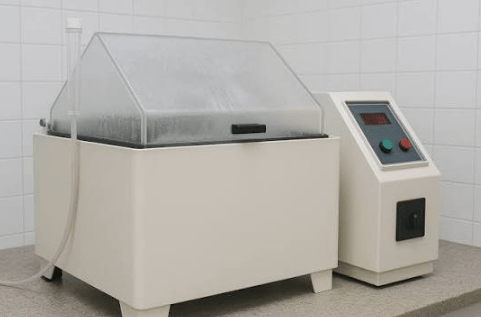
A LIB industry water spray jetting chamber may be considered when evaluating equipment for controlled water exposure applications. The appropriate configuration depends on the intended test procedure and the technical capabilities confirmed for the specific model.
Pressure and Flow Control
Water pressure and flow rate influence the exposure applied to a specimen. The equipment should be capable of producing the conditions required by the relevant test method, with suitable control and repeatability.
A pressure reading alone may not fully describe the exposure. Nozzle characteristics, flow, distance, and positioning can also affect the water reaching the product.
Laboratories should therefore verify the parameters that the equipment measures or controls and determine how those parameters will be recorded.
Nozzle and Spray Configuration
Different test procedures may specify particular nozzle designs, spray patterns, or jet characteristics. Equipment selection should take these requirements into account.
The ability to position the nozzle and specimen appropriately can also affect test consistency. Fixtures should hold the product securely without obstructing the areas that need to be exposed.
Specimen Size and Chamber Layout
The working area should accommodate the largest expected specimen and allow sufficient access for positioning, testing, and inspection. Larger products may require a different chamber configuration from small electrical components.
Laboratories should also consider loading arrangements, water drainage, operator access, and the space required around the equipment for safe operation and maintenance.
Monitoring and Documentation
Reliable testing depends on knowing which conditions were applied. Depending on the equipment and procedure, useful records may include pressure, flow rate, exposure duration, nozzle distance, specimen orientation, and inspection findings.
Clear records improve traceability and help engineers compare results across product versions or production batches.
Preparing and Conducting a Reliable Test
A structured testing process improves repeatability and helps prevent avoidable errors.
First, identify the relevant standard or product specification. Define the required water exposure, acceptance criteria, specimen condition, and any electrical or functional checks that must be completed before and after testing.
Next, inspect the specimen and document its initial condition. Record important details such as model, serial number, production batch, seal configuration, and any visible defects. Confirm that access panels and connectors are assembled according to the specified test configuration.
Before operating the equipment, verify that the water supply, nozzle arrangement, controls, drainage system, and safety features are ready for use. Follow the manufacturer’s instructions and the applicable laboratory safety procedures.
Position the specimen according to the prescribed test method. Apply the required exposure for the specified duration while monitoring relevant parameters. Avoid changing the test conditions without documenting and assessing the impact.
After the exposure, inspect the specimen using the method defined by the procedure. This may involve examining internal surfaces for water ingress, checking for visible moisture, or performing approved functional tests.
Finally, record the results and compare them with the predetermined acceptance criteria. If a specimen fails, investigate possible causes before changing the design or assembly process. A clear failure analysis can distinguish sealing problems from damage, setup errors, or deviations in the testing procedure.
Common Mistakes to Avoid
One common mistake is assuming that any water spray test proves a product is waterproof. In practice, the result applies to the conditions and acceptance criteria used during that specific test.
Another issue is inconsistent specimen positioning. If the nozzle distance or orientation changes between tests, the exposure may differ and comparisons can become less reliable.
Ignoring calibration or equipment verification can also reduce confidence in the results. Laboratories should follow appropriate maintenance and verification schedules and investigate unexplained variations in pressure, flow, or spray behavior.
Finally, test results should be interpreted in context. A successful water jetting test does not establish resistance to immersion, chemical exposure, prolonged weathering, or other conditions that were not included in the procedure.
Frequently Asked Questions
- What products can be evaluated using water spray jetting equipment?
Depending on the equipment capacity and test method, products may include electrical enclosures, connectors, lighting assemblies, sensors, industrial controls, and other components that require evaluation under directed water exposure.
- Is water jetting testing the same as immersion testing?
No. Water jetting uses directed streams of water, while immersion testing involves placing a product in water under specified conditions. Each method evaluates different exposure scenarios, so the appropriate procedure depends on the product’s intended protection requirements.
- What should laboratories check before purchasing a water spray testing system?
Laboratories should review the required test standard, pressure and flow capabilities, nozzle configuration, working dimensions, specimen positioning, monitoring features, maintenance requirements, and technical support. The system must be suitable for the intended procedure rather than selected on price alone.
Conclusion
Controlled water spray testing helps manufacturers evaluate protective enclosures, identify potential ingress points, and improve product reliability. Its value depends on using appropriate equipment, following a defined test method, and documenting the exposure conditions and inspection results.
By selecting a system that matches the required specifications and maintaining consistent testing practices, laboratories can generate more useful evidence about water resistance. These findings support better product design, stronger quality-control processes, and more informed decisions about performance under specified environmental conditions.