From Aphrodite to Modern Skincare: The Evolution of Beauty Rituals
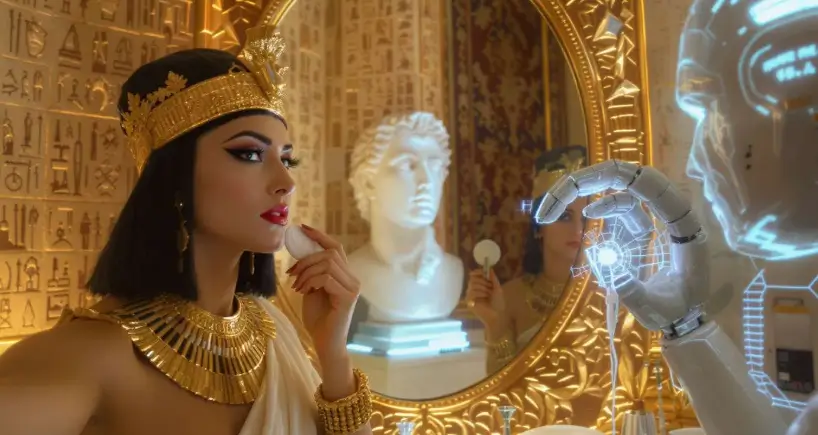
For thousands of years, humanity has been fascinated by beauty and the possibility of preserving a youthful appearance. Ancient civilizations developed elaborate beauty rituals, often influenced by religious beliefs, mythology, and cultural traditions. Among the most recognizable symbols of beauty was Aphrodite, the Greek goddess whose legendary appearance represented an ideal of divine perfection.
Although modern skincare has moved beyond mythical remedies and supernatural explanations, the desire for healthy, radiant skin remains remarkably similar. Today’s sophisticated treatments represent the latest chapter in a fascinating history of beauty and self-care.
Aphrodite and the Ancient Greek Ideal of Beauty
In Greek mythology, Aphrodite was the goddess of love, beauty, and desire. According to Hesiod’s Theogony, she emerged from the sea foam, an extraordinary origin that established her connection with natural beauty and divine femininity. Her influence extended beyond mythology, shaping artistic representations of beauty throughout ancient Greece and subsequent civilizations.
For the ancient Greeks, physical appearance was closely connected with broader ideals of harmony, proportion, and balance. Bathing, grooming, and applying fragrant oils were established practices, particularly among wealthier members of society. While these rituals were not necessarily performed in direct worship of Aphrodite, they reflected a culture in which beauty held considerable significance.
From Ancient Oils to Modern Skin Rejuvenation
Ancient beauty practices frequently relied on ingredients obtained from nature. Olive oil was particularly valued in Greek society, serving various purposes in personal grooming and cleansing. Today, skincare has evolved into a sophisticated industry supported by dermatological research and technological innovation. Rather than relying exclusively on traditional ingredients, modern treatments can address specific concerns, including uneven skin tone, fine lines, and changes in skin texture.
For example, dermani MEDSPA® offers contemporary skin rejuvenation treatments, including chemical peels, microneedling, and specialized facials. These procedures demonstrate how the longstanding pursuit of beautiful skin has developed into increasingly targeted approaches. Although ancient Greeks could never have imagined such technology, they would undoubtedly have recognized the desire to maintain an attractive appearance.
The Mythological Quest for Eternal Youth
Aphrodite was not the only Greek deity associated with beauty and youth. Hebe, the goddess of youth, represented the vitality and freshness that mortals could never permanently preserve. Greek mythology also described ambrosia and nectar, divine substances associated with the immortality of the gods. These stories reveal an enduring fascination with overcoming the physical effects of aging.
Modern skincare approaches this ambition differently. Ingredients such as retinoids, peptides, and hyaluronic acid are used in formulations intended to improve the appearance and condition of the skin. While no treatment can deliver the eternal youth promised by mythology, scientific developments have created practical methods for addressing certain visible signs of aging.
See also: Evaluating Natural Preservatives for Food Quality and Shelf Life
How Beauty Rituals Have Changed Over Time
One significant difference between ancient and modern beauty practices is the growing emphasis on individualized care. Ancient grooming traditions were shaped by available materials, social customs, and prevailing beauty ideals. Contemporary skincare, meanwhile, increasingly considers individual skin types, environmental exposure, and specific concerns.
Modern routines also emphasize prevention through sunscreen, gentle cleansing, and appropriate moisturizing. Nevertheless, both ancient and contemporary approaches demonstrate that beauty rituals can serve purposes beyond physical appearance, providing opportunities for relaxation, personal expression, and self-care.
An Ancient Fascination That Continues Today
From Aphrodite’s legendary beauty to modern dermatological treatments, the history of skincare reflects humanity’s enduring interest in appearance and rejuvenation. The methods have changed dramatically, but the underlying fascination remains. Where ancient civilizations looked toward nature, tradition, and divine symbolism, modern society increasingly turns toward scientific understanding.
Aphrodite may belong to mythology, but the ideals of beauty and renewal associated with her continue to resonate in contemporary skincare culture.