Strengthening Workplace Electrical Safety With Appropriate Hand Protection
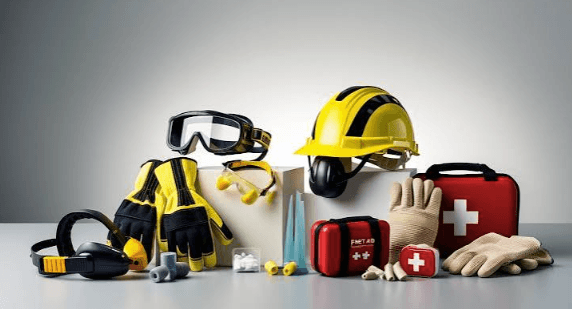
Electrical maintenance and installation work demand careful risk management because contact with energised equipment can cause severe injury. Technicians may work around distribution panels, industrial machinery, electrical control systems, and other installations where the hazards vary from one task to another. A safe working environment depends on suitable procedures, properly maintained equipment, and protective gear selected for the actual conditions.
Electrical insulating gloves are designed to help protect workers from electrical shock when used within their rated limits and as part of an approved safety procedure. Their effectiveness depends on the correct classification, material condition, inspection status, and suitability for the task. Choosing the wrong glove class can create a false sense of security, even when the gloves appear to be in good condition.
Understanding Class 0 insulating gloves, their intended ratings, and the responsibilities involved in maintaining them helps employers and electrical professionals make more informed decisions.
Understanding Electrical Insulating Rubber Gloves
Electrical insulating gloves are manufactured from materials with electrical insulating properties and tested against specific performance requirements. Unlike ordinary work gloves, they are intended to provide a protective barrier against electrical hazards within defined conditions.
Rubber insulating gloves are commonly used in electrical work because suitable formulations can provide the required dielectric performance while allowing a degree of hand movement. Nevertheless, not every rubber glove is an electrical insulating glove. The product must be designed, tested, marked, and maintained for the intended use.
Workers should check the manufacturer’s instructions and applicable safety standards before selecting equipment. Product classification, maximum use voltage, glove dimensions, inspection requirements, and environmental limitations all need to be considered.
What Defines Class 0 Insulating Gloves?
Under commonly used electrical glove classifications, Class 0 insulating gloves have a maximum use voltage of 1,000 volts AC and 1,500 volts DC. These values must be confirmed against the specific product markings and applicable standard, such as ASTM D120 or IEC 60903.
The classification does not mean that every electrical task below those voltage levels is automatically safe. Workers must consider possible transient voltages, fault conditions, surrounding equipment, environmental factors, and the requirements of the relevant workplace procedure.
The appropriate glove class should be established through a documented risk assessment. If the exposure exceeds the product’s approved limits or cannot be confidently assessed, work should not proceed using an assumed level of protection.
Why Correct Glove Selection Is Important
Reducing the Risk of Electrical Shock
When electrical current passes through the body, the consequences can include burns, muscle injury, cardiac disruption, and fatal shock. Suitable insulating gloves can help reduce this risk when the equipment is correctly selected and used.
However, gloves cannot eliminate every electrical hazard. Damage, contamination, moisture, incorrect sizing, or use outside the rated conditions can compromise protection.
Electrical isolation, verification of absence of voltage, appropriate barriers, and approved working methods remain essential. Gloves should be viewed as one element of a complete electrical safety system rather than a replacement for safe-work procedures.
Supporting Industrial Maintenance
Industrial environments often involve routine maintenance on electrical distribution systems, motor controls, and production equipment. A consistent protective-equipment policy helps workers identify the correct gear before beginning a task.
Employers should define how gloves are selected, inspected, tested, stored, and replaced. Clear procedures also help supervisors identify equipment that should be removed from service.
Improving Worker Confidence Through Preparation
Workers are more likely to follow safety procedures when they understand why specific equipment is required. Training should explain the limitations of each glove class and the importance of inspecting equipment before use.
Confidence should come from verified equipment condition and proper procedures, not simply from wearing gloves that carry an electrical classification.
Factors to Consider When Choosing Class 0 Gloves
Verify Voltage Requirements
Begin by identifying the system voltage and the possible exposure associated with the task. Consider the work method, nearby energised components, potential fault conditions, and the requirements of the applicable electrical safety standard.
Do not choose gloves using nominal voltage alone. The risk assessment and workplace rules should determine the necessary protection.
Check Product Standards and Markings
Electrical insulating gloves should have clear identification and supporting technical documentation. Buyers should confirm the relevant standard, classification, rated use conditions, and any required testing information.
A Class 0 label does not independently prove that a product meets every regional requirement. Check the certification or test documentation needed for the particular workplace and jurisdiction.
Select the Appropriate Size
Gloves must fit well enough to support the approved task without unnecessary restriction. Gloves that are too tight may create discomfort, while gloves that are too loose can reduce dexterity and make tool handling difficult.
Consult the manufacturer’s sizing guidance and ensure the selected glove length is suitable for the intended application. If additional protective gloves are needed, confirm that the combination is compatible with the insulating glove system.
Evaluate Environmental Conditions
Electrical work may take place in hot, cold, humid, dusty, or chemically exposed environments. The suitability of an insulating glove depends on the product’s material and documented limitations.
Avoid exposing gloves to substances, temperatures, or storage conditions that may degrade the insulating material. If additional mechanical or chemical hazards exist, assess them separately and select compatible protective equipment.
Inspection and Testing Procedures
Examine Gloves Before Each Use
Inspect the gloves for cuts, punctures, cracks, swelling, stickiness, contamination, and other signs of deterioration. Pay attention to the cuff and areas that may be difficult to examine.
Use the inspection method specified by the manufacturer and the applicable standard. If a glove appears damaged or its condition is uncertain, remove it from service until it has been assessed according to the established procedure.
A visual inspection is important but does not replace electrical testing where testing is required.
Follow the Required Testing Schedule
Electrical insulating gloves may need periodic dielectric testing in accordance with the relevant standard and workplace requirements. The required interval can depend on the classification, standard, and conditions of use.
Maintain records of test dates, results, and equipment status. Do not use gloves when required testing is overdue or cannot be verified.
Store Equipment Properly
Store gloves in a clean, dry, protected location. Avoid direct sunlight, excessive heat, ozone-producing equipment, sharp objects, and pressure that could deform or damage the material.
Use suitable storage bags or containers when recommended by the manufacturer. Proper storage helps reduce contamination and deterioration between uses.
Clean and Maintain Carefully
Follow the manufacturer’s approved cleaning and drying instructions. Unapproved solvents or harsh cleaning products may damage the glove material.
Do not repair damaged insulating gloves using improvised methods. Equipment that no longer meets the required condition should be removed from service and replaced or handled according to the manufacturer’s guidance.
Combining Gloves With Other Safety Controls
Electrical insulating gloves may need to be used alongside other protective equipment depending on the risk assessment. This can include protective footwear, eye and face protection, arc-rated clothing, or additional mechanical protection.
The exact combination depends on the task and the hazards involved. For example, protection against electric shock and protection against an electrical arc address different risks. One type of glove should not automatically be assumed to provide both.
Employers should ensure that all protective equipment is compatible and that workers understand the limits of each item. Training, supervision, and clear emergency procedures remain important parts of the safety programme.
Choosing a Suitable Supplier
Reliable procurement begins with the technical requirements of the task. Buyers should evaluate product classification, documentation, traceability, size availability, storage guidance, and the supplier’s ability to provide technical information.
When considering ppemax Class 0 Electrical Insulating Rubber Gloves review the specific product’s documented voltage ratings, applicable standards, inspection and testing requirements, and environmental limitations. Verify that the product is appropriate for the intended work before authorising its use.
A dependable supplier should provide clear product identification and information about correct handling. Organisations managing several work teams may also benefit from consistent stock availability and documented procurement records.
Cost should be assessed alongside product suitability, quality assurance, replacement frequency, and testing requirements. Selecting equipment based only on price can lead to unsuitable protection or avoidable operational problems.
Frequently Asked Questions
- What are the typical voltage limits for Class 0 insulating gloves?
Under commonly used classifications, Class 0 gloves have a maximum use voltage of 1,000 volts AC and 1,500 volts DC. Always verify the exact product markings, applicable standard, and workplace requirements.
- Are Class 0 gloves sufficient for every low-voltage task?
No. The correct protection depends on the actual exposure, work method, surrounding hazards, and applicable safety rules. A risk assessment should determine whether Class 0 gloves are suitable.
- How often should Class 0 insulating gloves be tested?
Testing intervals depend on the applicable standard and workplace requirements. Follow the manufacturer’s guidance and relevant regulations, and maintain records to confirm that the gloves remain within their required test period.
Conclusion
Class 0 electrical insulating gloves can form an important part of a workplace’s electrical protection programme when their ratings match the task and the equipment is maintained correctly. Safe use requires more than purchasing gloves with the appropriate label.
Employers and electrical professionals should verify product documentation, inspect gloves before use, follow required testing schedules, and store equipment under suitable conditions. Combined with electrical isolation, risk assessment, and worker training, these practices support a more consistent and responsible approach to electrical safety.