Technology Trends Shaping Industrial Glass Manufacturin
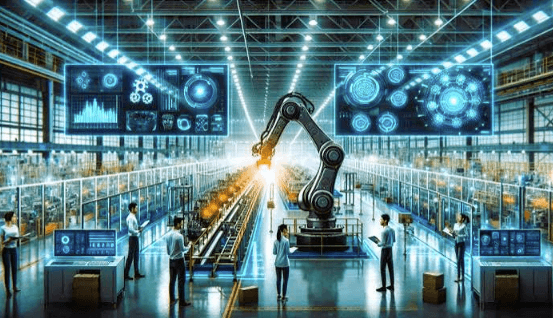
Industrial glass manufacturing is becoming increasingly sophisticated. Customers now expect products that meet demanding technical and design requirements, while manufacturers need to maintain productivity and control operating costs.
Technology is helping production facilities respond to these challenges. Improvements in heating systems, digital controls, automation, monitoring, and maintenance practices are changing the way manufacturers approach glass processing.
From Basic Heating to Controlled Processing
Traditional heating methods provided the foundation for modern glass processing, but today’s systems can offer significantly greater control.
Advanced furnaces may include multiple heating zones and monitoring systems that allow operators to manage production conditions more precisely.
This level of control is useful when manufacturers process different types and sizes of glass.
Digital Controls
Digital control systems can simplify the management of complex machinery.
Operators can monitor important parameters and adjust settings through centralized interfaces. Production information can also be recorded for later analysis.
Digitalization can make it easier to establish repeatable production procedures.
Automated Production
Automation can reduce some repetitive manual tasks.
Automated movement, parameter management, monitoring, and alarm systems can support production teams and help maintain consistent operating procedures.
However, automation should be introduced based on actual business requirements. Not every manufacturer needs the same level of technological complexity.
Improving Thermal Efficiency
Energy consumption is an important concern for glass processors.
Heating systems can be evaluated according to how efficiently they transfer energy to the glass. Furnace insulation, heating-zone control, production scheduling, and regular maintenance can also influence overall energy performance.
Manufacturers should consider energy efficiency alongside quality and productivity.
Flexible Manufacturing
Customer demand can change quickly.
A manufacturer may need to process standard products one day and customized products the next. Flexible equipment can provide the ability to adjust production settings according to different requirements.
This can be especially useful for businesses serving several industries.
Better Production Monitoring
Modern factories increasingly rely on data.
Temperature readings, production times, machine status, rejection rates, and maintenance records can all provide useful information.
Analyzing these data points can help production managers identify recurring problems and improve processes.
Predictive Maintenance
Maintenance practices are also becoming more data-driven.
Instead of waiting for a component to fail, manufacturers can monitor equipment condition and schedule maintenance based on operating information and manufacturer recommendations.
This approach can help reduce unexpected downtime when implemented appropriately.
Importance of Skilled Employees
Technology does not eliminate the need for skilled production teams.
Employees need to understand both the equipment and the materials being processed. Training allows operators to use automated systems effectively and recognize situations that require intervention.
Human knowledge remains an important part of industrial quality management.
Selecting Technology Wisely
Manufacturers should avoid selecting technology simply because it is new.
The most useful system is the one that fits the company’s products, production volume, workforce, factory layout, and budget.
Before purchasing equipment, businesses should evaluate:
- Processing capacity
- Product flexibility
- Heating method
- Automation
- Energy consumption
- Maintenance requirements
- Technical support
- Spare parts availability
A complete evaluation can reduce the risk of an unsuitable investment.
For manufacturers exploring modern flexible thermal processing technology, the
EASTTEC Radiation Flexible Roller Furnace can be included in a broader equipment comparison.
Frequently Asked Questions
- How is technology changing glass manufacturing?
Digital controls, automation, monitoring, and improved thermal systems are helping manufacturers manage production with greater control and flexibility.
- Can automation reduce production costs?
It may reduce certain manual tasks and improve process consistency, but the financial impact depends on equipment costs, production volume, labor requirements, maintenance, and workflow.
- Why is data important in manufacturing?
Production data can help identify trends, investigate quality issues, plan maintenance, and evaluate operational performance.
Conclusion
Technology is creating new opportunities for glass manufacturers to improve control, flexibility, and production management. However, successful modernization requires more than purchasing advanced machinery.
Businesses should evaluate technology according to their actual production requirements and combine equipment with skilled operators, preventive maintenance, and effective quality systems. A balanced approach can help manufacturers adopt useful innovations while maintaining practical and reliable operations.