Case Sealer Buying Guide: How to Choose the Right Machine
Taping boxes shut by hand is one of the most tiring jobs on a packing line. A case sealer takes this task away and closes boxes in seconds.
A case sealer is a machine that folds the flaps of a box and applies tape automatically, so every case leaves your facility sealed tight and ready to ship.
This guide walks you through the types of case sealers, what features matter most, and how to pick the best one for your budget and volume.
Table of Contents
- What Is a Case Sealer?
- Why Your Business Needs a Case Sealer
- Types of Case Sealers
- Key Features to Look For
- How to Choose the Right Case Sealer
- Price Range for Case Sealers
- Installation and Training Tips
- FAQs
What Is a Case Sealer?
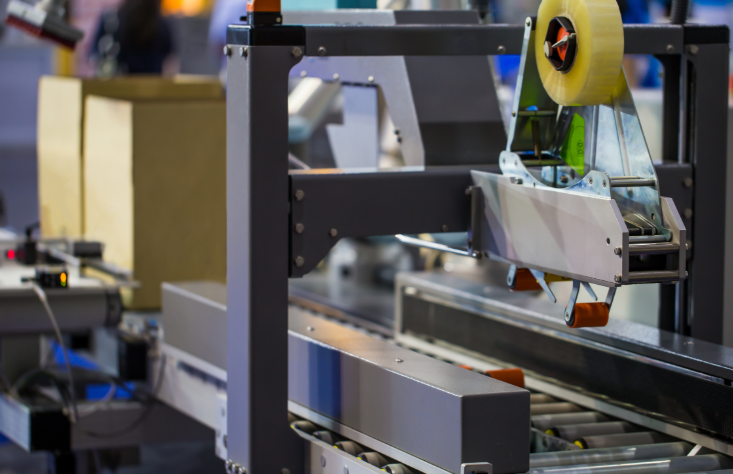
A case sealer sometimes called a carton sealer, closes the top and bottom flaps of a box and applies tape across the seams.
It usually sits at the end of a packing line, right after products are placed inside the case. From there, the sealed box moves on to labeling or palletizing.
Most case sealers use adjustable side belts to pull the box through the machine while rollers fold the flaps and press tape onto both the top and bottom.
Some models only tape the top flaps, while others handle top and bottom sealing in one pass. This matters if your boxes need to be flipped for a second pass, which slows down your line.
Case sealers are often paired with case erectors and case packers to build a full end-of-line packaging system, where boxes are formed, filled, and sealed without any manual handling.
Why Your Business Needs a Case Sealer
If your team still tapes boxes by hand, you are likely losing hours of productive time every single day.
A single case sealer can close 15 to 25 boxes per minute, depending on the model. That is far more than any worker can manage with a hand-held tape gun.
Beyond speed, a case sealer also uses less tape than manual taping, since it applies a consistent, exact amount every time instead of the extra wrapping workers often add out of caution.
Repetitive taping is also a common cause of wrist and shoulder strain among warehouse workers. Removing this task lowers the risk of repetitive strain injuries and reduces sick days over time.
A well-sealed case also protects your product during shipping. Boxes that are taped unevenly by hand are more likely to open during transport, leading to damaged goods and unhappy customers.
Types of Case Sealers
Case sealers come in a few main styles. Picking the right one depends on how much your box sizes vary.
| Type | Best For | Adjustment Needed |
| Random case sealer | Boxes of many different sizes | Automatic, no manual reset |
| Semi-automatic case sealer | Steady box sizes, lower budget | Manual width adjustment |
| Automatic case sealer | High-volume, fixed box range | Pre-set or minimal |
| Top and bottom sealer | Full seal on both sides | Varies by model |
Key Features to Look For
Do not overlook the tape head. A poor-quality tape head is the number one cause of downtime on any case sealer, since it jams more often and needs frequent adjustment.
Look for a frame built from powder-coated steel rather than lightweight plastic panels. A sturdy frame keeps the machine aligned even after years of daily vibration and heavy use.
If your facility runs multiple shifts, ask about duty-cycle ratings. Some budget models are built for light use only and will wear out quickly under round-the-clock operation.
- Adjustable belt speed to match your line output
- Tape head quality that avoids jams and wrinkles
- Sturdy frame built for continuous daily use
- Easy-to-clean rollers and tape guides
- Compatibility with different tape widths
How to Choose the Right Case Sealer
Start by measuring your smallest and largest box sizes. If your boxes vary a lot, a random case sealer will save you constant manual adjustments.
Next, calculate your average daily case volume. This tells you whether a semi-automatic machine is enough or whether you need a fully automatic system.
Finally, think about your future plans. If you expect to add new product lines soon, choose a machine with a wider size range than you currently need.
Consider the layout of your facility too. Some case sealers need extra space before and after the machine for boxes to align properly, so measure your available conveyor length before ordering.
It also helps to ask your supplier how easily the machine integrates with your existing conveyor system. A mismatched height or belt speed can create bottlenecks even with a great machine.
Price Range for Case Sealers
A basic semi-automatic case sealer usually costs between $3,000 and $8,000. These work well for small to medium operations with steady box sizes.
Random case sealers that handle many box sizes automatically typically cost $10,000 to $25,000. High-speed, heavy-duty industrial models can run higher, especially with added features like top and bottom taping in one pass.
Remember to factor in the cost of tape rolls, which adds up over the life of the machine, and ask your supplier for their average tape consumption rate.
Leasing is also an option many suppliers offer, which can help smaller businesses spread out the cost while still gaining the speed benefits of automation right away.
Installation and Training Tips
Most case sealers arrive mostly assembled, but proper alignment with your conveyor line is important for smooth operation.
Train your team on basic troubleshooting, like clearing tape jams and adjusting belt tension. This alone prevents most unnecessary service calls.
Ask your supplier for a maintenance checklist and keep spare tape heads and belts on hand, since these are the parts that wear out fastest.
Schedule your installation during a slower production period if possible. This gives your team time to practice with the new machine before it needs to run at full speed.
Many suppliers offer a short on-site training session after installation. Take advantage of this, since operators who understand the machine well cause far fewer breakdowns down the road.
Frequently Asked Questions
What size boxes can a case sealer handle?
Most case sealers handle a wide range of box sizes, and random case sealers can automatically adjust to different sizes without any manual reset.
How much tape does a case sealer use?
This depends on box size and taping pattern, but most machines are far more tape-efficient than manual taping since they apply a consistent, pre-set amount.
Can one case sealer handle both top and bottom sealing?
Yes, many case sealers are built to fold and tape both the top and bottom flaps in a single pass through the machine.
Is a case sealer difficult to maintain?
Regular cleaning and occasional belt or tape head replacement are usually all that is needed to keep a case sealer running smoothly for years.
How fast is a case sealer compared to manual taping?
A case sealer can close 15 to 25 boxes per minute or more, compared to just a few boxes per minute with manual taping.
Conclusion
A case sealer is one of the easiest upgrades a packing line can make. It saves labor hours, cuts tape waste, and keeps every box looking neat and professional.
Take time to measure your box sizes and daily volume before choosing a model. The right case sealer will keep your line moving smoothly for years with very little maintenance.
When comparing suppliers, always ask for a live demo using your actual boxes, since real-world performance can differ from spec sheets.
With the right case sealer in place, your packing line runs faster, your boxes look more professional, and your team can focus on tasks that truly need human attention.