Why Is My Dog Sleeping With Its Eyes Closed? Causes, Concerns, and When to Act
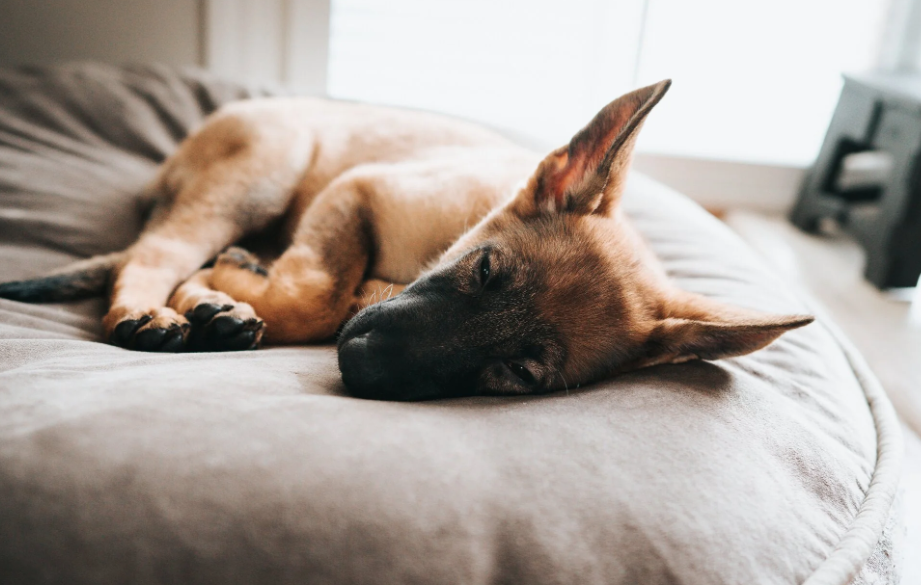
It’s normal for dog owners to notice changes in their pet’s sleeping habits, but what does it mean when your dog keeps its eyes tightly closed, even when awake? While dogs sometimes squint or partially close their eyes to relax or block light, persistent eye closure or discomfort can signal health issues that deserve attention. Understanding the reasons behind this behavior can help you decide when a vet visit is necessary and how to keep your dog comfortable. For more details on symptoms, possible causes, and timelines of concern, see dog eyes closed causes concerns.
Common Reasons Dogs Keep Their Eyes Shut
Dogs may close their eyes for a variety of non-serious reasons. Bright sunlight, wind, dust, or even tiredness can prompt a dog to squint or keep its eyelids partially closed. Just like humans, dogs blink to protect their eyes from irritation and excessive light. Temporary squinting after playing outside or during grooming is usually harmless. However, if your dog seems to hold its eyes closed for prolonged periods even in normal lighting, something more may be at play.
Eye Irritation and Allergies
One frequent cause of eye closure is irritation triggered by allergens or environmental factors. Dogs can be sensitive to pollen, dust mites, perfumes, smoke, cleaning products, or even certain grasses. Allergic reactions may cause itching, redness, tearing, or swelling, prompting your dog to squint or avoid opening its eyes fully. If irritation is seasonal, environmental adjustments like minimizing outdoor exposure at high pollen times and wiping your dog’s face after walks can help.
Foreign Objects and Trauma
Dogs are curious by nature, and their eyes are vulnerable to foreign objects like grass seeds, sand, or tiny debris. If something gets lodged in the eye, it can cause significant discomfort, leading the dog to keep its eyelids closed. Trauma — such as a scratch from another dog during play or an accidental poke — can also irritate the eye. Signs of a foreign object or trauma include pawing at the eye, frequent blinking, swelling, and discharge. In these cases, do not attempt to remove objects yourself; contact your veterinarian for safe examination and removal.
See also: Can Hair Transplant Give a Fuller, Healthier Look?
Infections and Eye Diseases
Eye infections and diseases are a major reason dogs keep their eyes closed or squint. Conditions such as conjunctivitis (pink eye), corneal ulcers, uveitis, glaucoma, and dry eye (keratoconjunctivitis sicca) often cause inflammation, pain, and sensitivity to light. Conjunctivitis creates redness and discharge, while corneal ulcers can develop due to scratches or untreated irritation. Glaucoma, a more serious condition, increases intraocular pressure and can lead to vision loss if untreated.
Symptoms of infections may include:
- Red or bloodshot eyes
- Yellow or green discharge
- Excessive tearing
- Cloudiness
- Pawing at the eye
Because many of these conditions can progress quickly, prompt veterinary evaluation ensures accurate diagnosis and appropriate treatment.
Pain and Discomfort as a Signal
Dogs are masters at masking pain, but consistent eye closure can be a behavioral signal that something hurts. Pain may come from inside the eye, around the eyelids, or even from dental issues or facial injuries that affect the eye indirectly. If your dog flinches when you touch around the eyes or head, it’s important to seek professional care. Your vet can assess whether the discomfort originates in the eye or if another issue is contributing.
For more insights into canine health and understanding subtle behavior cues, visit PetsCare.
Environmental Factors That Affect Eye Behavior
Environmental conditions like dry heat, cold wind, or indoor air quality can influence a dog’s eye comfort. Dry air from heaters or air conditioners may reduce natural tear production, leading to dryness and irritation. Consider using a humidifier in dry climates or during winter months to prevent chronic dryness. Regularly wiping your dog’s eyes with a clean, damp cloth can help remove irritants and keep the area comfortable.
Breed-Specific Considerations
Certain dog breeds are more prone to eye issues due to their anatomy. Brachycephalic breeds like Pugs, Bulldogs, and Shih Tzus have shallow eye sockets that make their eyes more exposed and susceptible to injury or irritation. Breeds with long eyelashes or excessive facial folds may experience chronic irritation if not groomed properly. Understanding your dog’s breed predispositions helps you anticipate and manage potential eye concerns.
Behavioral Triggers vs. Medical Issues
Sometimes a dog may close its eyes during social interactions as a calming signal. Dogs use subtle facial expressions — including eye closure — to communicate comfort, submission, or relaxation. However, distinguishing between behavioral signals and medical issues is key. A relaxed dog may blink slowly or half-close its eyes during petting or resting. Medical concerns usually involve additional signs like discharge, redness, swelling, or repeated eye rubbing.
Home Monitoring Before a Vet Visit
If your dog keeps its eyes closed frequently, observing other symptoms at home can guide your next steps. Note whether the behavior:
- Occurs after outdoor exposure
- Is accompanied by discharge
- Involves one eye or both
- Appears after a known injury
- Is associated with changes in appetite or energy
Documenting these patterns helps your veterinarian make a more accurate diagnosis.
When to Seek Immediate Veterinary Attention
Certain symptoms require urgent veterinary care:
- Sudden onset of eye pain
- Cloudy or bluish eye color
- Bulging or visibly swollen eyes
- Significant redness or hemorrhage
- Loss of vision or inability to open the eye
These signs can indicate serious conditions like glaucoma, severe infection, or traumatic injury that require prompt treatment to prevent permanent damage.
Diagnostic Tools Veterinarians Use
At the clinic, your veterinarian may use diagnostic techniques such as:
- Fluorescein staining (to detect corneal ulcers)
- Tonometry (to measure eye pressure)
- Slit-lamp examination (for detailed eye structure inspection)
- Tear production tests
These tools help identify the cause of pain or irritation and guide effective treatment plans.
Treatment Options and Recovery
Treatment depends on the underlying condition. Antibiotic or anti-inflammatory eye drops may address infections or irritation. Specialized medications help manage glaucoma or dry eye. In cases of ulcers or trauma, protective devices like an Elizabethan collar may be used to prevent further damage. Follow-up care and medication schedules are essential for full recovery.
Preventing Future Eye Problems
Routine eye care can minimize recurring issues:
- Keep hair trimmed around the eyes
- Clean eyelids gently with a veterinarian-approved solution
- Avoid exposure to smoke or strong chemicals
- Schedule regular check-ups
Prevention and early detection go a long way in maintaining your dog’s eye health.
Understanding Your Dog’s Communication
While dogs may close their eyes for many benign reasons, persistent or unexplained eye closure should not be ignored. Being attentive to subtle behavior changes helps you provide the best care possible. Dogs rely on their vision as much as humans, and protecting their eye health ensures they enjoy a high quality of life.