Understanding Play Therapy for Kids: How It Helps Children Heal and Grow
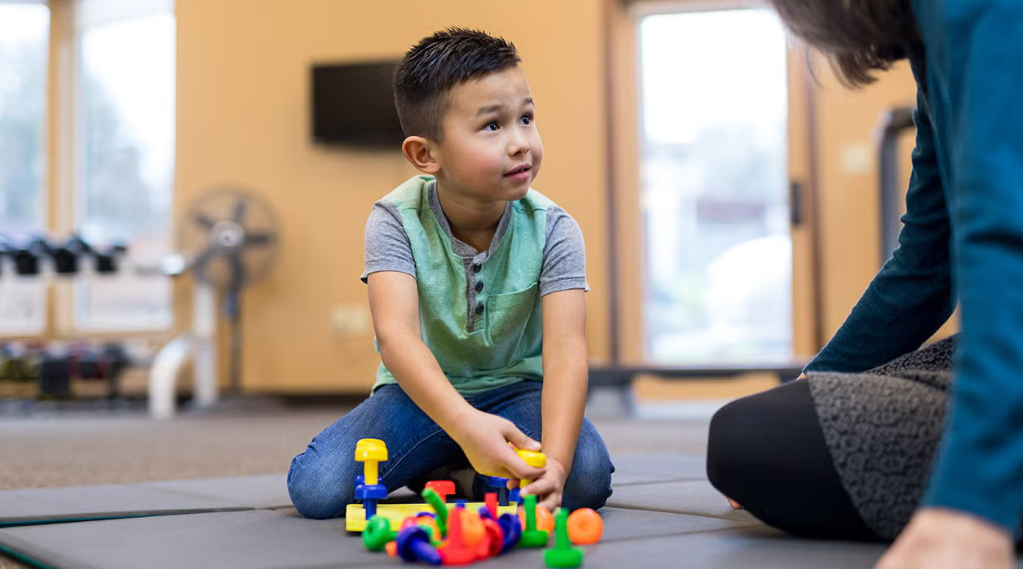
Children experience emotions just as deeply as adults, but they often lack the words to express what they feel. When a child is struggling—with anxiety, grief, trauma, or behavioral issues—traditional “talk therapy” may not be effective because children communicate in different ways.
That’s where play therapy for kids comes in. Play therapy allows children to use their natural language—play—to explore their world, express feelings, and work through challenges in a safe, supportive environment.
If you’ve been searching for ways to help your child manage emotions, improve behavior, or cope with life changes, this guide will help you understand what play therapy is, how it works, and why it’s one of the most powerful tools for emotional growth in children.
What Is Play Therapy?
Play therapy is a form of psychotherapy designed specifically for children. It uses play—the language of childhood—as a means of communication and healing. In a play therapy session, children engage with toys, art, games, and imaginative activities that help them express what they cannot say with words.
According to the Association for Play Therapy (APT), play therapy is “the systematic use of a theoretical model to establish an interpersonal process wherein trained play therapists help children prevent or resolve psychosocial difficulties.”
In simple terms, it allows a child to process emotions, improve problem-solving, and learn healthy coping skills—all through play.
Why Play Is So Important in Child Development
Play is not just about fun—it’s essential for emotional, cognitive, and social development. Through play, children learn to make sense of the world, test boundaries, and develop empathy.
Psychologists have long recognized that play mirrors a child’s inner world. When a child plays, they often reenact experiences, conflicts, or fears in symbolic ways. For instance, a child who has experienced a loss might use dolls or figurines to play out scenes of separation or comfort.
This natural form of expression allows a therapist to gently guide the child toward understanding and healing without forcing verbal explanations they may not be ready for.
See also: Breathe New Life into Your Home with Tiles and Deco’s Designer Tile Range
How Play Therapy Works
1. The Safe Play Environment
A play therapy room is intentionally designed to be a safe, welcoming, and creative space. It often includes:
- Art supplies (crayons, paint, clay)
- Dolls and action figures
- Puppets and stuffed animals
- Building toys (blocks, Legos)
- Sand trays and miniature figures
- Costumes for pretend play
Each item is chosen to encourage self-expression, imagination, and communication.
2. The Role of the Play Therapist
A play therapist is a licensed mental health professional with specialized training in child development and play therapy techniques. Their job is not simply to observe, but to help children make sense of their play in a therapeutic way.
Through observation and gentle engagement, the therapist identifies patterns, themes, and emotional cues. Over time, they help the child connect their play to real-life feelings and experiences.
3. Types of Play Therapy
There are two main types:
- Directive Play Therapy: The therapist guides the session with specific activities or prompts aimed at addressing certain issues.
- Non-Directive Play Therapy: The child leads the session freely, choosing how and what to play. The therapist observes and supports without direct interference.
Many therapists combine both approaches depending on the child’s needs.
Issues Play Therapy Can Help Address
Play therapy is effective for a wide range of emotional and behavioral challenges, including:
- Anxiety and depression
- Anger management
- Attention-deficit/hyperactivity disorder (ADHD)
- Grief and loss
- Trauma or abuse
- Parental divorce or separation
- Bullying and social difficulties
- Low self-esteem or confidence issues
- Adjustment to new environments (school, moving, etc.)
It can also support children who are simply having trouble expressing themselves or regulating their emotions.
How Children Communicate Through Play
Children often use play as a mirror of their experiences. For instance:
- A child who feels powerless might play a superhero who defeats villains.
- A child processing trauma might repeat a scene using dolls until it changes from frightening to safe.
- A shy child might use puppets to “speak” for them until they feel ready to use their own voice.
Through these actions, the therapist gains insight into the child’s inner world—what they fear, hope for, or wish to control.
Play becomes a natural form of emotional storytelling.
The Stages of Play Therapy
While every child’s journey is unique, most play therapy follows several general stages:
- Introduction and Trust-Building: The child gets comfortable in the therapy space and begins to explore freely.
- Exploration and Expression: The child starts to use play to express emotions and experiences, often unconsciously.
- Insight and Processing: The therapist helps the child make connections between their play and real-life situations.
- Integration and Growth: The child develops new coping strategies and emotional understanding that carry over into daily life.
This process can take weeks or months, depending on the child’s age, personality, and circumstances.
Benefits of Play Therapy
Play therapy provides numerous benefits that support both emotional healing and long-term development.
Emotional Benefits
- Builds self-awareness and emotional intelligence
- Helps children process difficult feelings such as anger, fear, or sadness
- Encourages healthy emotional regulation
Behavioral Benefits
- Reduces tantrums, aggression, and defiance
- Improves attention and impulse control
- Encourages positive coping mechanisms
Social Benefits
- Enhances communication and empathy
- Builds confidence in relationships
- Improves problem-solving and teamwork
Developmental Benefits
- Encourages creativity and imagination
- Strengthens cognitive skills
- Promotes independence and self-expression
The Role of Parents in Play Therapy
Parents are essential partners in the therapeutic process. While sessions are confidential, most therapists provide regular updates or “parent consultations” to discuss progress and offer strategies for home support.
Some therapists may invite parents to participate in joint sessions, known as filial therapy, which teaches parents how to use play as a communication tool with their children.
Parents can reinforce therapy at home by:
- Creating a safe space for open communication
- Encouraging free play and creativity
- Modeling emotional regulation
- Acknowledging feelings instead of dismissing them
The goal is to build consistency between the therapy room and home environment.
What to Expect in a Play Therapy Session
A typical session lasts between 45 and 60 minutes. During that time, the child chooses toys or activities while the therapist observes and interacts as appropriate.
The therapist may reflect the child’s actions back to them (“You made the superhero win—he must be very strong”), helping the child recognize and understand their own emotions through metaphor.
Unlike traditional therapy, progress in play therapy is subtle and gradual. However, over time, parents often notice positive changes in their child’s behavior, communication, and confidence.
How Long Does Play Therapy Take?
Every child’s healing timeline is different. Some children show improvement after a few sessions, while others may need ongoing therapy for several months.
Factors that influence duration include:
- The nature and severity of the issue
- The child’s comfort with the therapist
- Family involvement and support
- Frequency of sessions
The therapist will periodically assess progress and discuss adjustments to the treatment plan.
Choosing the Right Play Therapist
When selecting a play therapist, it’s important to find someone qualified and experienced. Look for:
- Licensure and credentials in counseling, psychology, or social work
- Certification from the Association for Play Therapy (APT) or equivalent organization
- Experience working with children of similar age or challenges
- A welcoming, child-centered space
- Good rapport with both you and your child
It’s perfectly acceptable to schedule an initial consultation to see if the therapist feels like a good fit for your family.
The Power of Play in Healing
Play therapy gives children permission to be themselves—to feel, imagine, and heal in their own language. It taps into the innate creativity and resilience of childhood, allowing kids to process complex emotions in a way that feels safe and natural.
Many parents are amazed to see how small moments of play in therapy—building towers, drawing pictures, or storytelling—can lead to big transformations in confidence, self-awareness, and behavior.
Through play, children discover not just how to cope with challenges, but how to thrive.
When to Consider Play Therapy for Your Child
If your child is showing signs such as:
- Sudden changes in mood or behavior
- Withdrawal from friends or family
- Frequent nightmares or fears
- Difficulty adjusting after a major life event
- Aggressive or disruptive behavior
- Trouble communicating feelings
…it may be time to explore play therapy. Early intervention can help prevent emotional difficulties from deepening over time.
Helping Your Child Begin the Journey
Starting therapy can be a big step for a child, so it’s important to introduce it positively. You might say something like:
“You’ll get to meet someone who helps kids through play. You can draw, build, or tell stories about anything you want—it’s a special time just for you.”
Framing therapy as a supportive and fun experience helps reduce anxiety and builds excitement.
Final Thoughts: Healing Through the Power of Play
Play therapy is more than a clinical intervention—it’s a bridge between a child’s inner world and the adult world that often struggles to understand it. Through play, children learn to make sense of their experiences, build resilience, and develop the skills they need to grow into emotionally healthy individuals.
If your child is struggling to express feelings or cope with challenges, reaching out to a trained play therapist could be the first step toward healing.
Because sometimes, the most powerful conversations don’t require words—they begin with play.